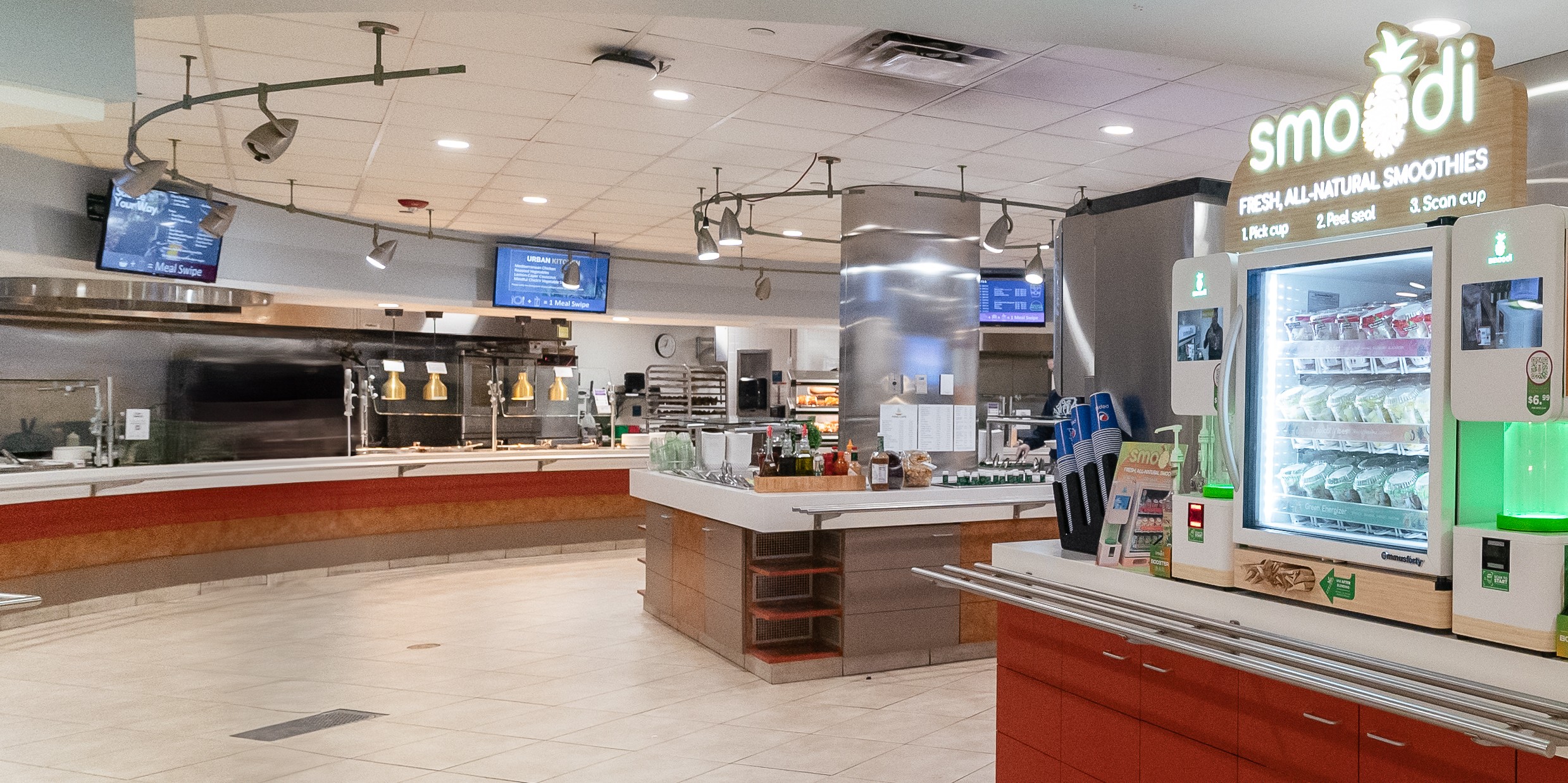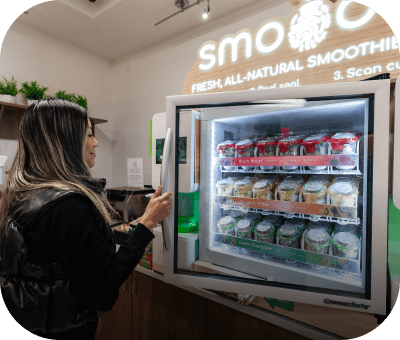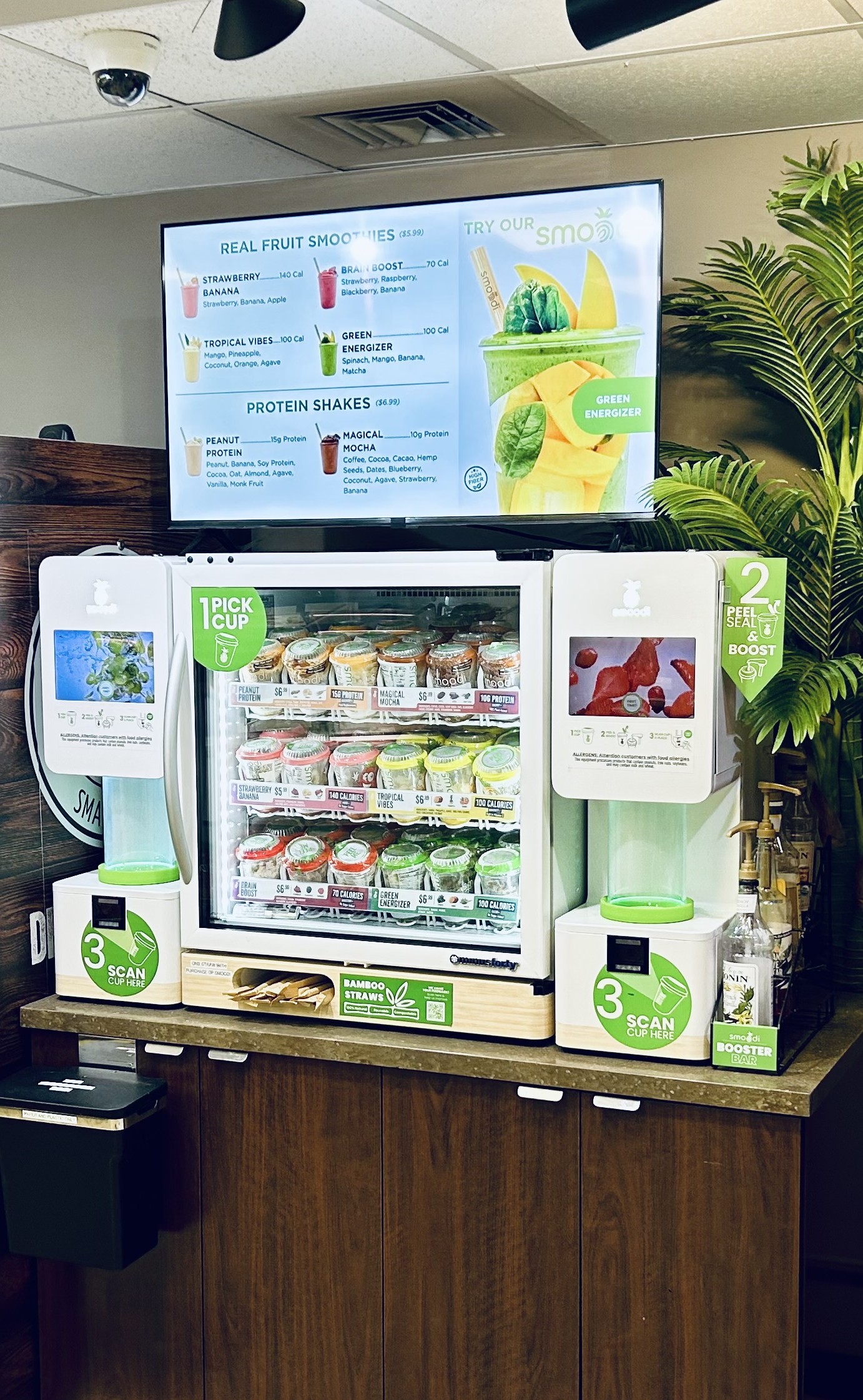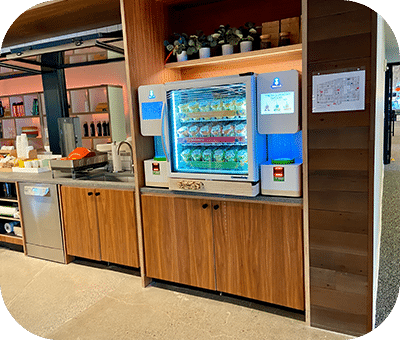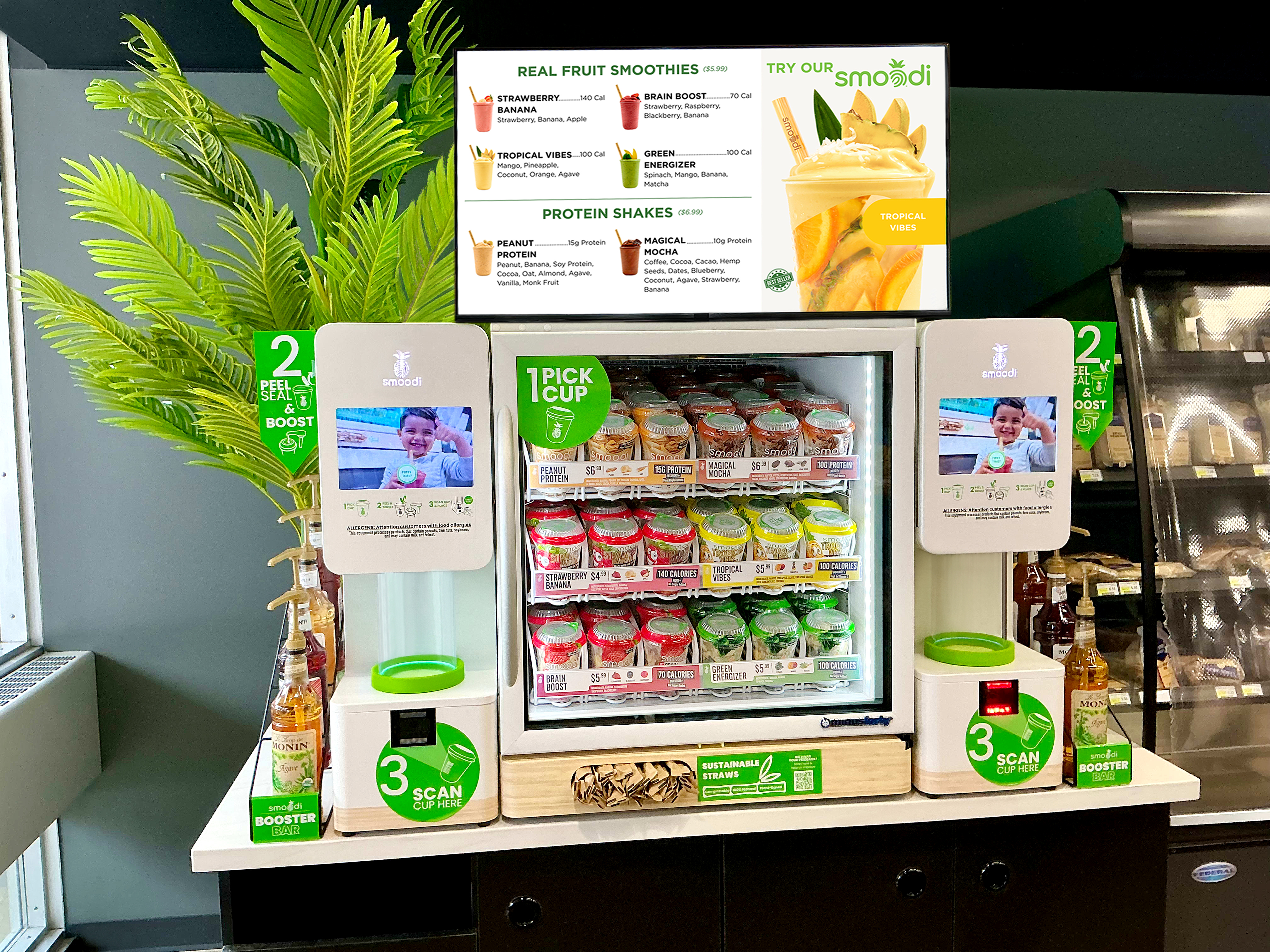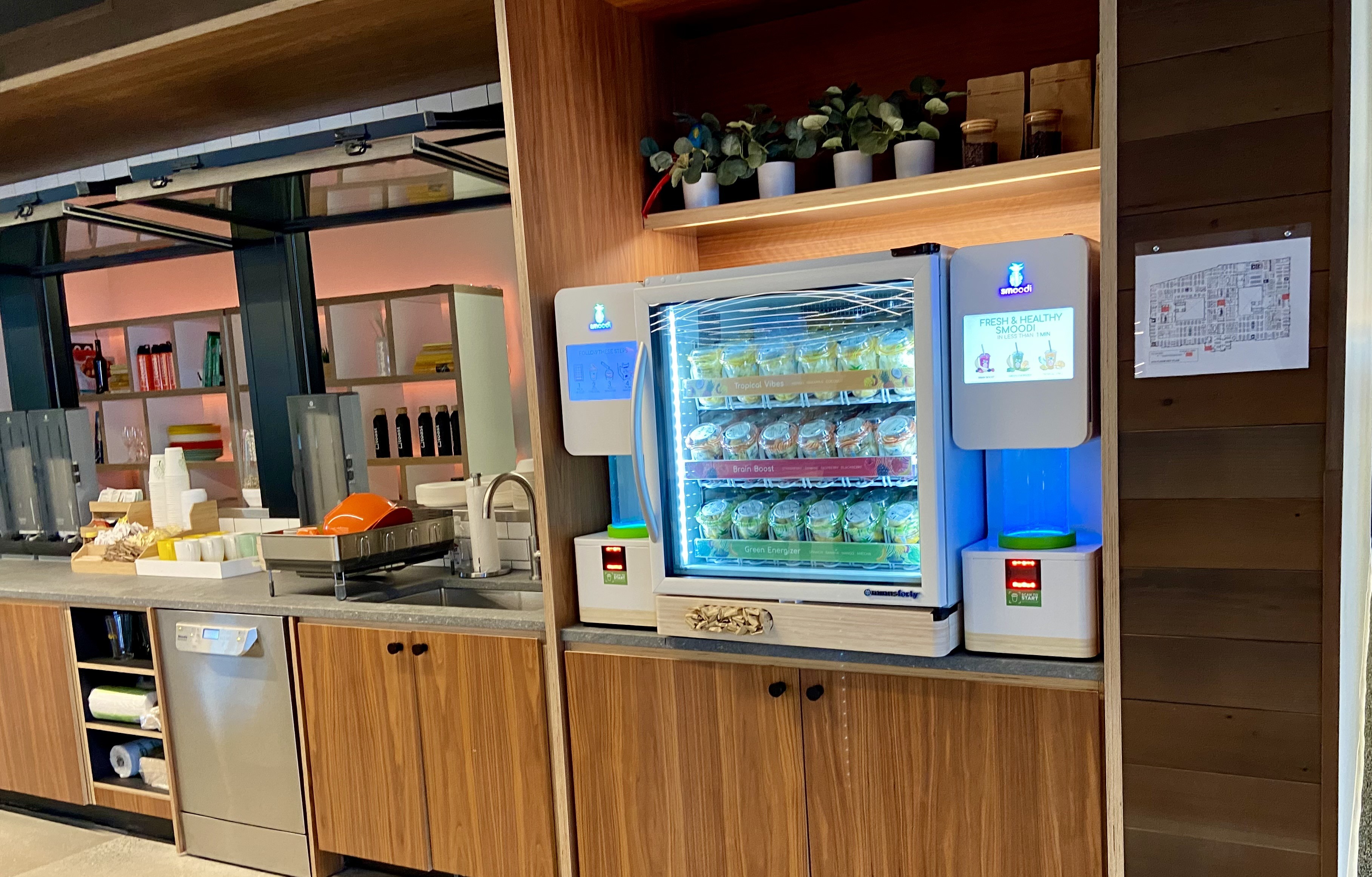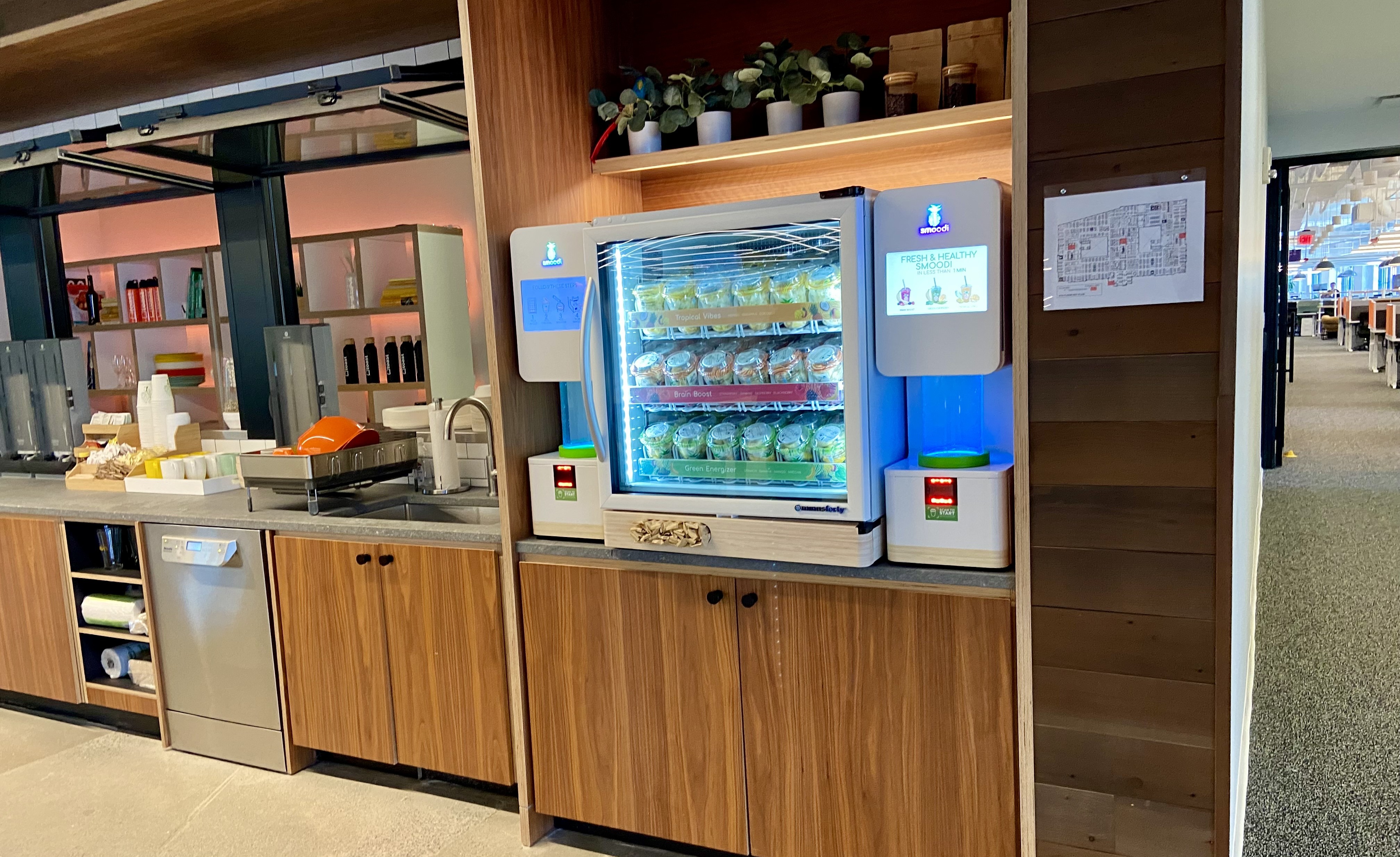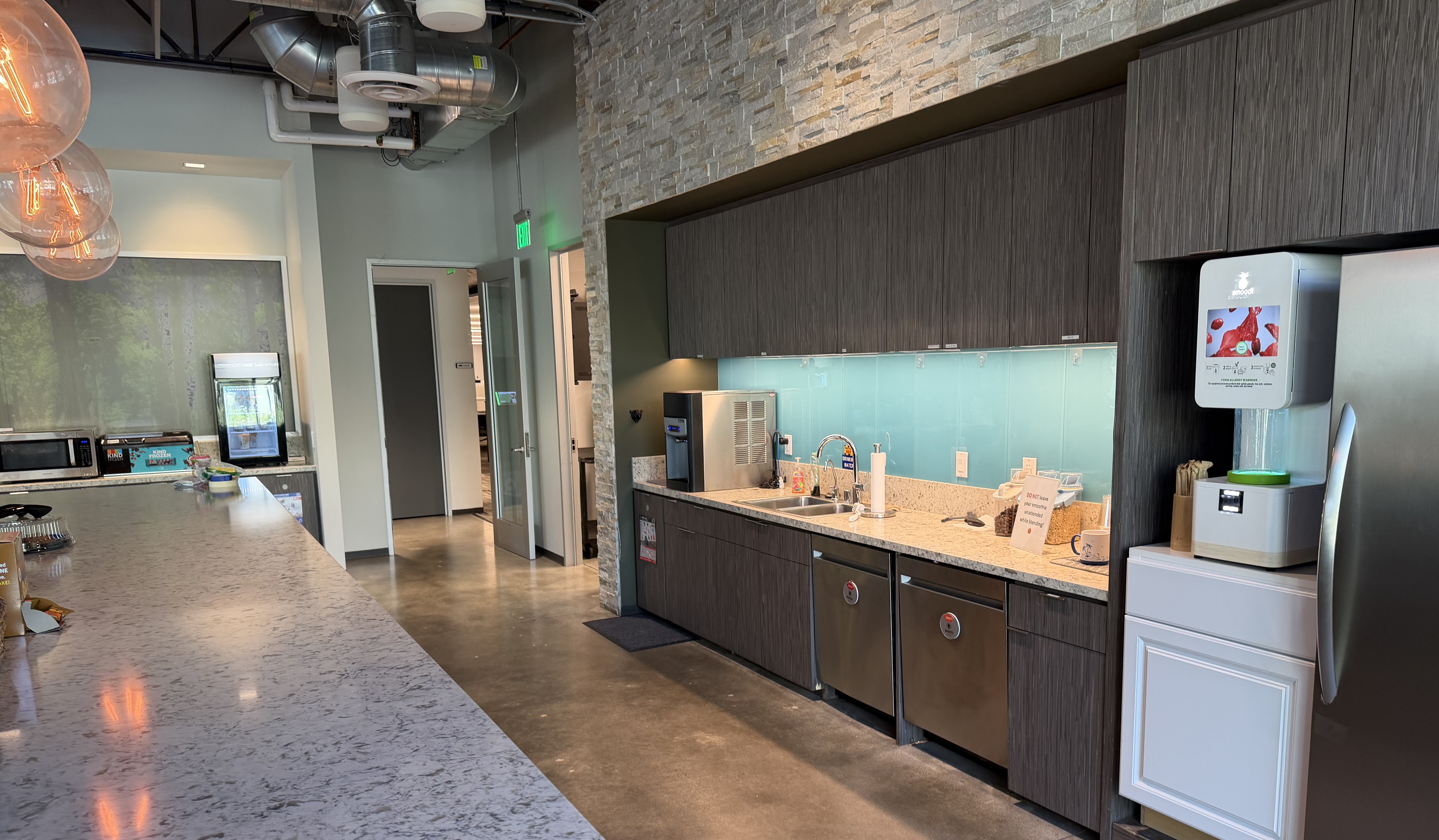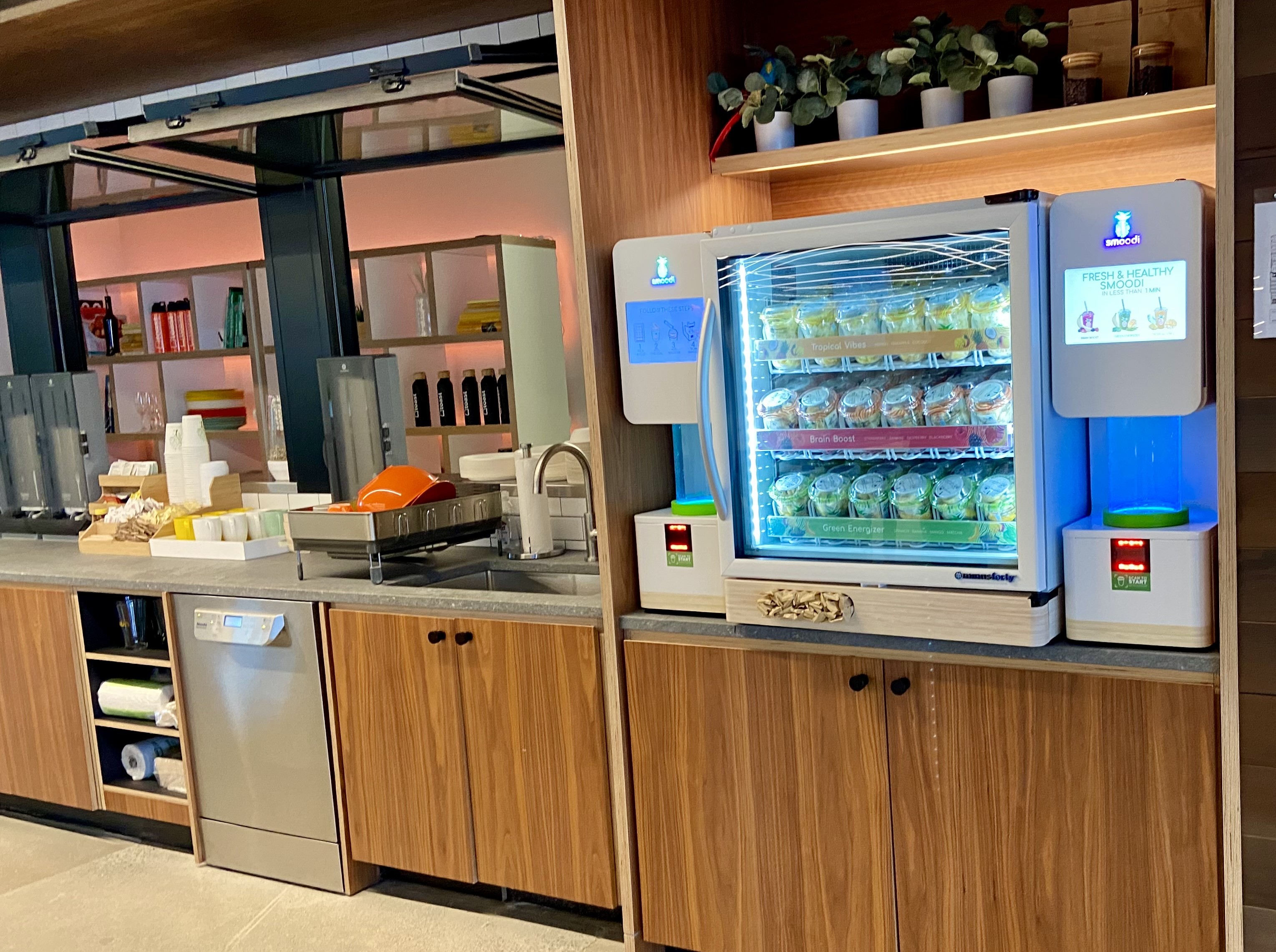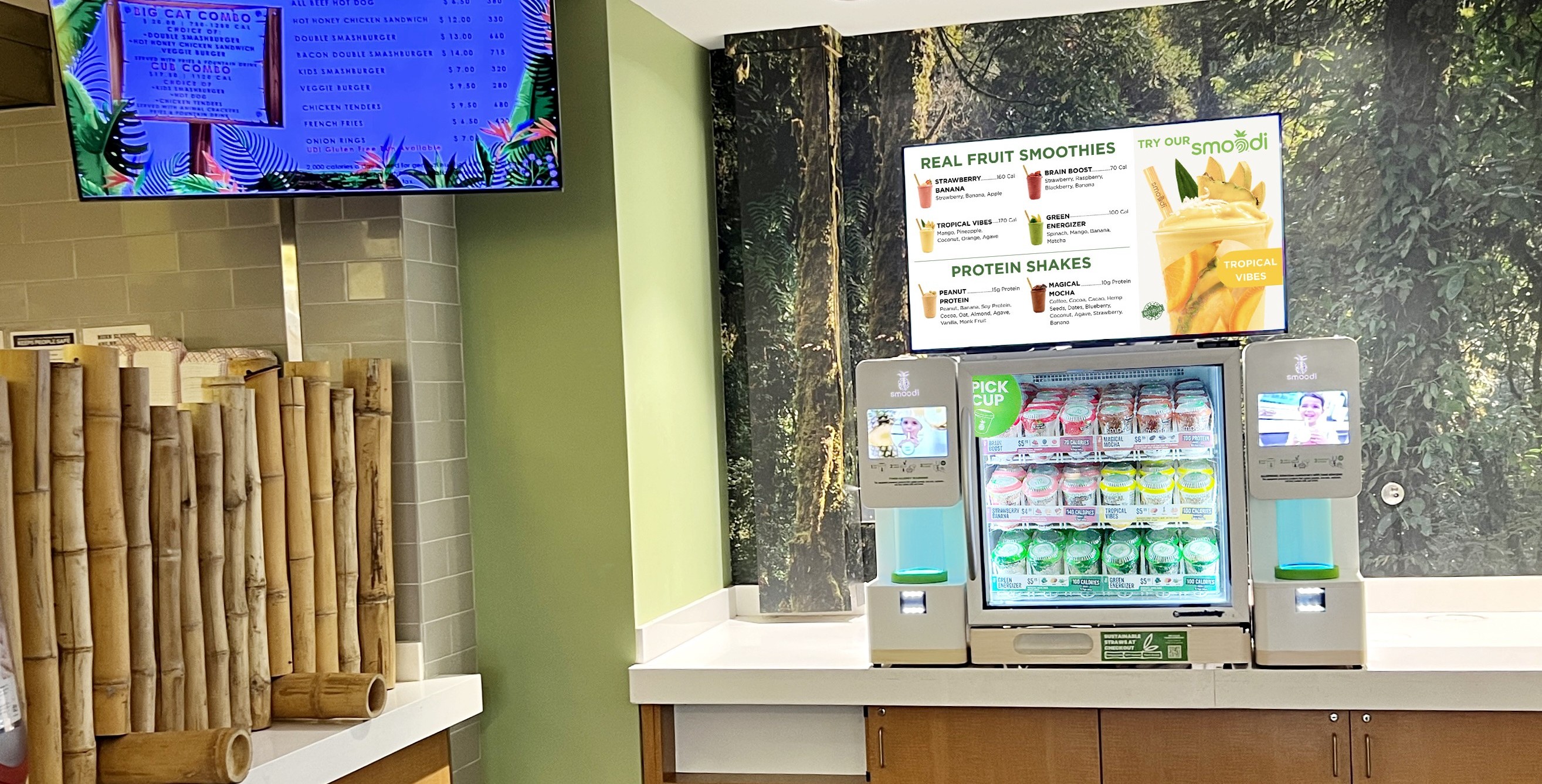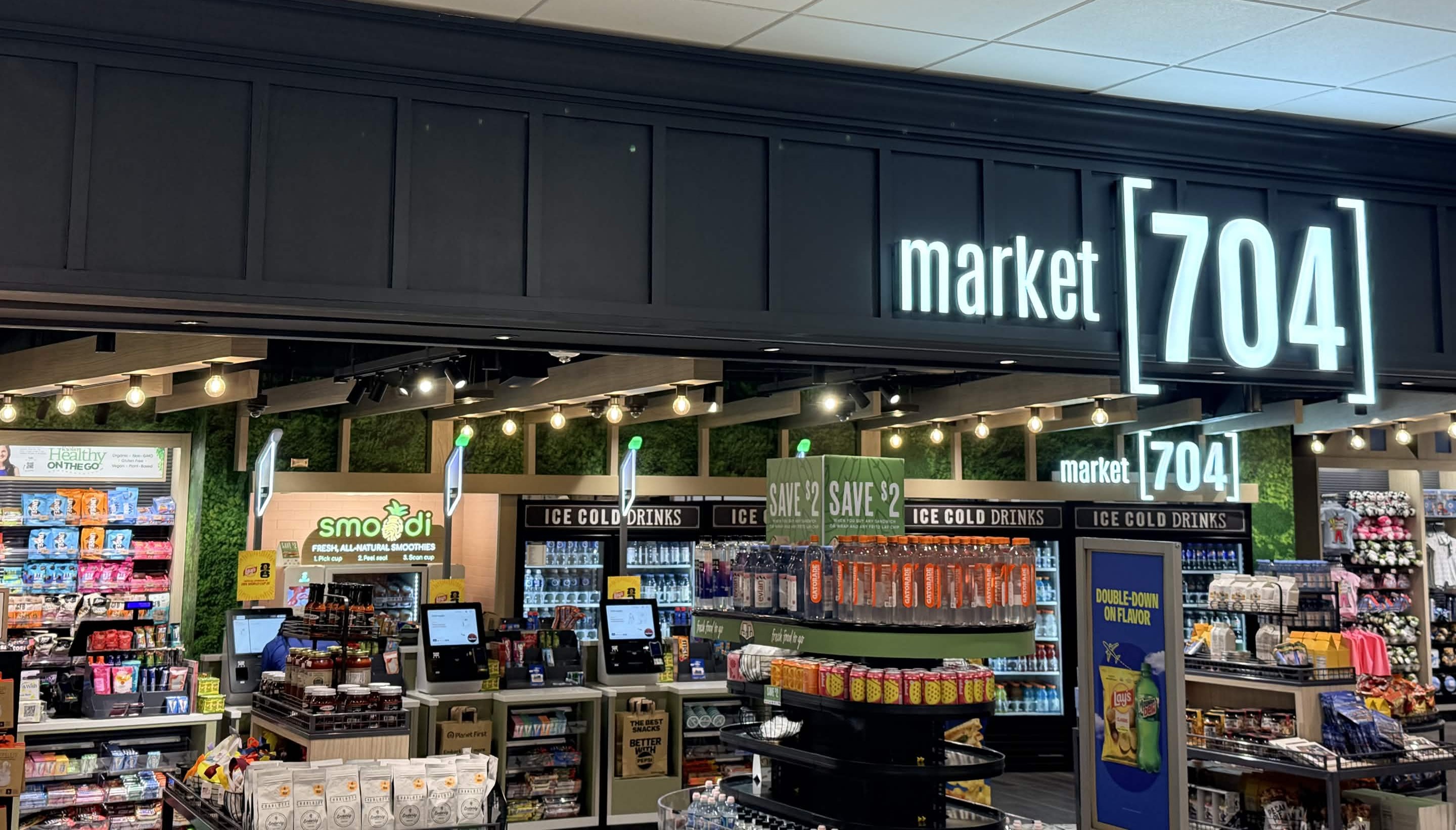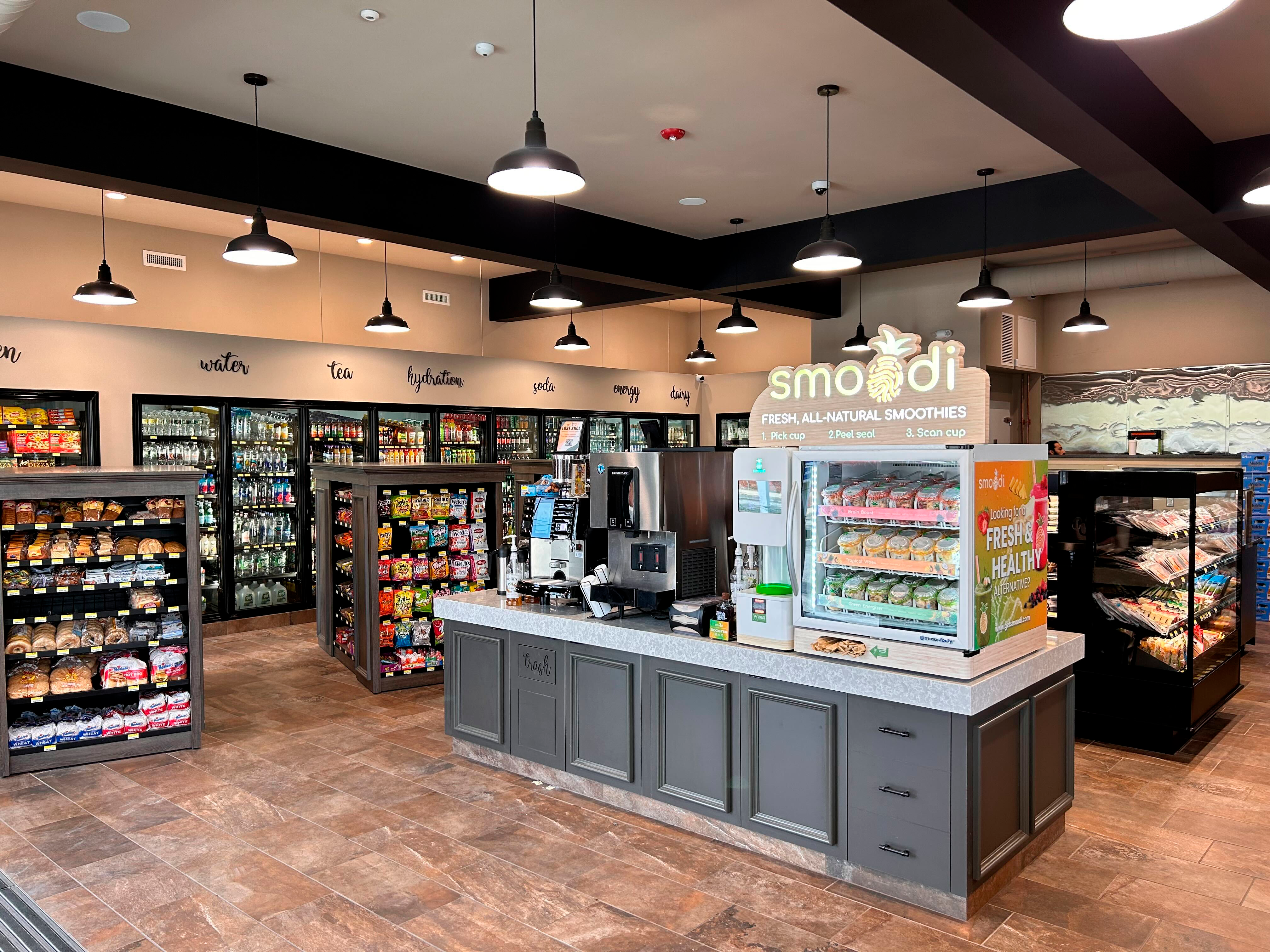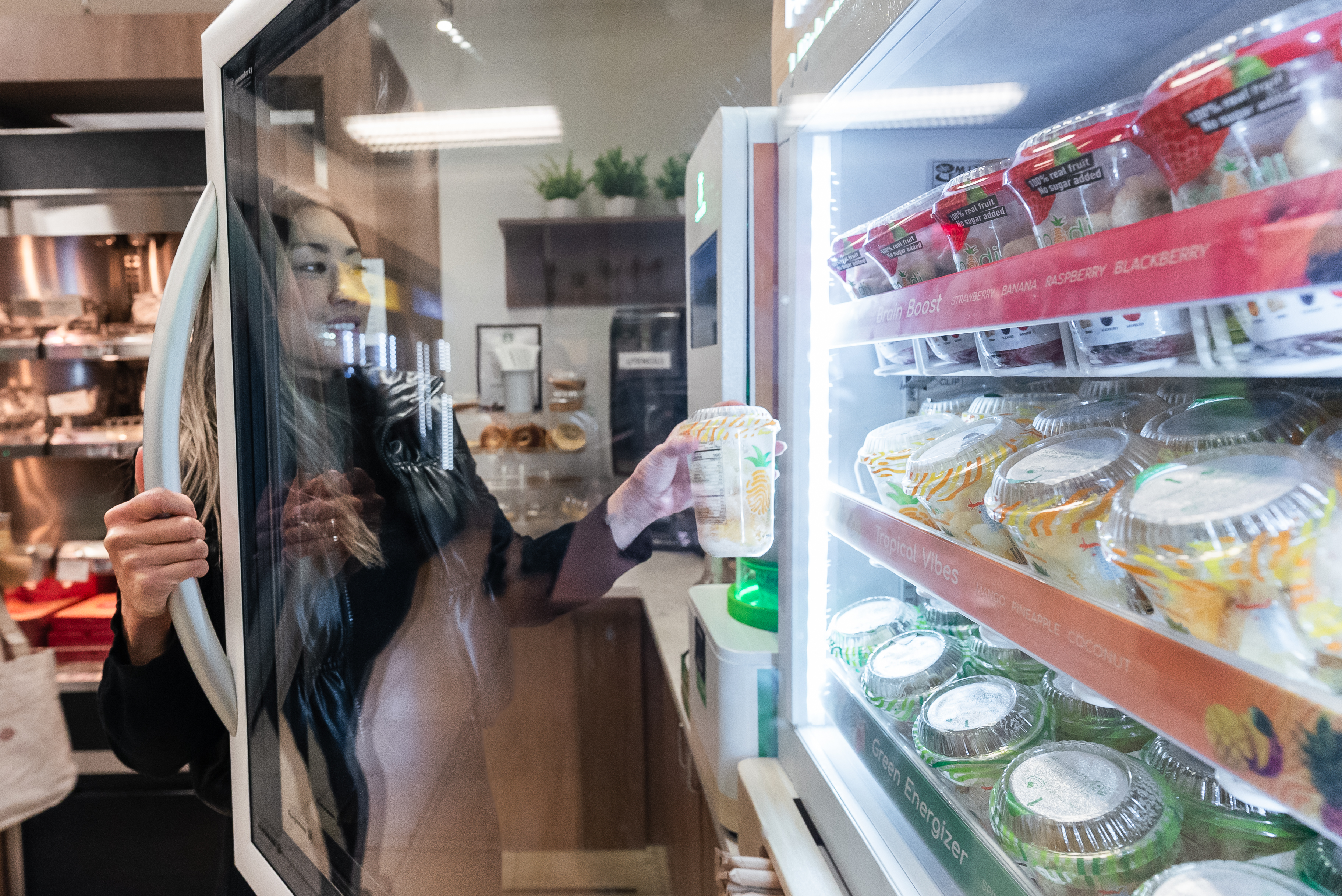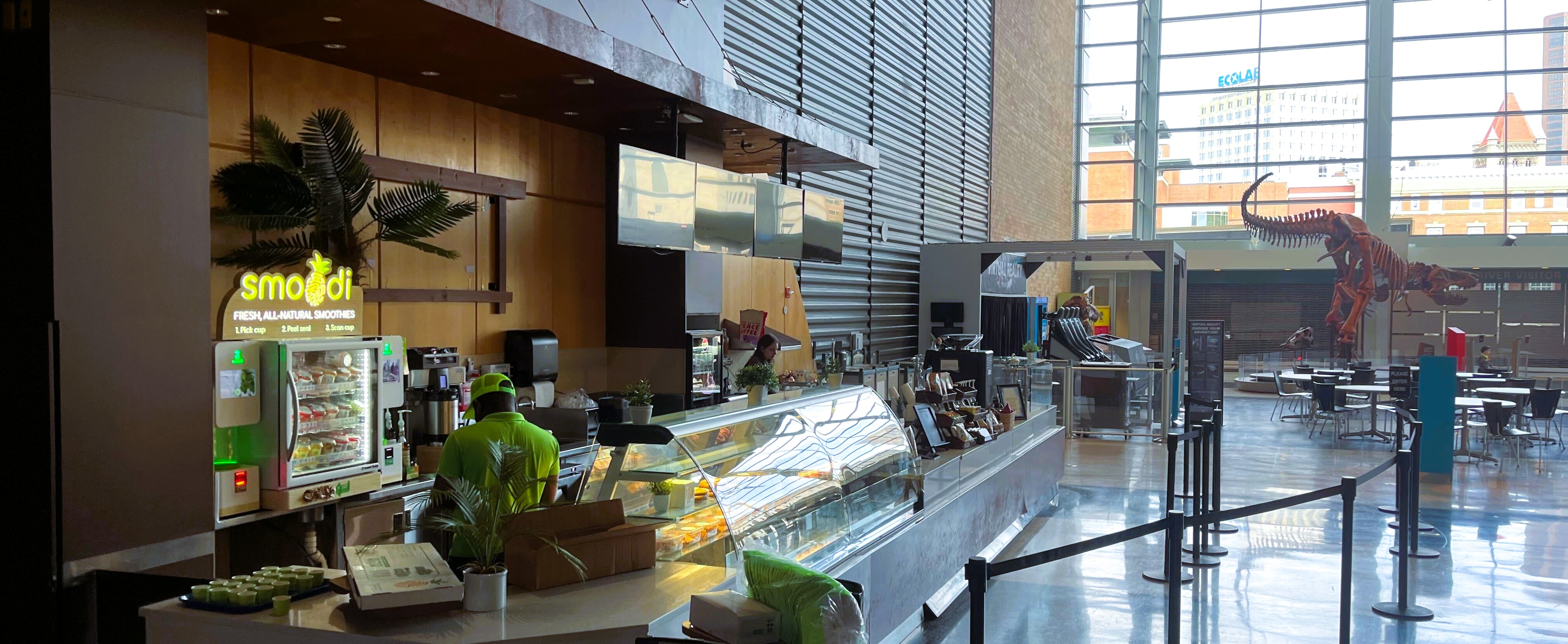
What Food Options Work for Museums and Venues?
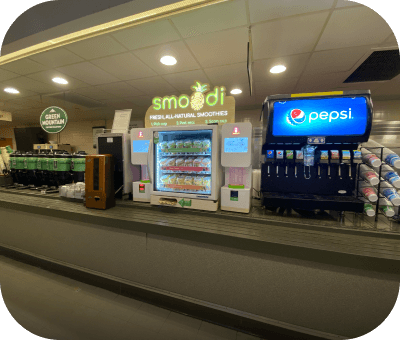
Museums, science centers, and cultural venues attract millions of visitors but struggle to offer healthy food beyond the cafe. Self-service stations solve the operational gap.
Insights on health, nutrition, technology, and the future of automated food service
Brand assets, company overview, and media resources
97 articles found

Museums, science centers, and cultural venues attract millions of visitors but struggle to offer healthy food beyond the cafe. Self-service stations solve the operational gap.

Cruise passengers increasingly expect healthy food beyond the buffet line. Automated smoothie stations fit shipboard operations with compact footprints and shelf-stable ingredients.

Commercial property managers compete on amenity quality to attract tenants. A zero-labor self-service food station adds wellness value without the cost of operating a staffed cafe.

Hotel guests increasingly expect wellness beverage options beyond coffee and juice. Automated smoothie stations serve fitness centers, spas, and pool decks without adding F&B staff.

Waterparks and pool facilities serve millions of summer visitors but offer limited healthy food. Automated smoothie stations fit snack bar environments with zero kitchen infrastructure.

Conference and convention centers struggle to offer healthy food across large venues with variable attendance. Self-service stations fill the gap without adding catering staff.

Casino resorts operate 24/7 with complex food demands across gaming floors, hotels, and entertainment zones. Automated self-service stations fill coverage gaps without adding overnight staff.

Physical therapy patients need protein for recovery and have limited time between sessions. A self-service nutrition station in the clinic supports clinical goals and generates ancillary revenue.

Food halls gather multiple vendors under one roof but struggle to staff every station. Self-service technology fills gaps in common areas and underutilized spaces without adding headcount.

Connected foodservice equipment uses sensors and data to detect problems before they cause downtime. Predictive maintenance reduces repair costs and keeps self-service stations running.

Coworking spaces compete on amenities to retain members. A self-service smoothie station adds a wellness perk without the staffing and food prep challenges.

Hospital food programs focus on patient dining while staff rely on vending machines during long shifts. Self-service nutrition stations address this wellness gap for healthcare workers.

Building an internal business case for a smoothie station requires the right framework: demand data, financial projections, risk mitigation, and success metrics.

Labor runs 25 to 35% of revenue in 2026 as wages rise across 22 states. Automated equipment gives operators a way to reduce costs without reducing service quality.

Gen Z ranks smoothies as the #1 campus food request at 26%. High-protein and clean-label preferences are reshaping how universities approach beverage programs in 2026.

Self-service kiosk installations jumped 43% between 2021 and 2023, nearing 350,000 units worldwide. Consumers now expect freshness, speed, hygiene, and zero friction from self-service food technology.

Automated beverage equipment falls into three categories: traditional vending, robotic kiosks, and compact automated blending stations. Each differs in cost, footprint, freshness, and scalability.

With 18% of U.S. adults on GLP-1 medications and 42% of operators considering GLP-1-friendly menus, foodservice providers need beverages that meet the dietary requirements of this growing demographic.

Each Smoodi machine produces up to 30 smoothies per hour. Multiple machines can be installed side by side in the same footprint as a single larger kiosk, scaling throughput linearly without adding labor.

Operators across universities, hospitals, fitness centers, sports complexes, and corporate offices report consistent results: fast breakeven, strong customer adoption, and zero labor burden.

Scaling a beverage program across 10, 50, or 100 locations requires ingredient consistency, supply chain logistics, and quality control at every site. A standardized automated model simplifies each of these challenges.

Foodservice turnover exceeds 73% annually and the global food automation market is projected to reach $28 billion. Operators are deploying automation not to replace workers but to make smaller teams viable.

Food-insecure adults age 60 and older quadrupled from 1.8 million to 7.4 million between 1999 and 2023. Senior living communities are turning to self-service nutrition stations to close the gap between scheduled meals.

From cup insertion to finished smoothie in under 60 seconds. A complete walkthrough of how Smoodi's automated smoothie machine operates, self-cleans, and serves customers without dedicated staff.

The functional beverage market is surging, with collagen beverages projected to reach $5.3 billion by 2035. Operators are adding protein, collagen, and functional supplement boosters to smoothie stations as a zero-labor revenue uplift.

EV charging sessions create 20 to 40 minutes of dwell time per stop. Forward-thinking site operators are turning that wait into food and beverage revenue with healthy, self-service options.

Multi-sport training complexes host thousands of athletes and families daily. Adding a nutrition program that serves pre- and post-workout fuel without dedicated food prep staff is a growing priority for facility operators.

Most healthcare waiting areas offer only vending machines with chips and soda, creating a visible contradiction with the facility's health mission. Healthy self-service options can improve patient satisfaction and align food offerings with clinical values.

Family entertainment centers generate 20 to 40 percent of revenue from food and beverage. Parents increasingly demand healthy options, but FECs lack kitchen infrastructure. Automated smoothie stations bridge this gap.

The link between nutrition and workplace performance is well documented. Employers who provide healthy food options see measurable improvements in energy, focus, and afternoon productivity across their teams.

Traditional roundups of commercial smoothie machines only cover manual blenders. A new category of fully automated, self-service beverage solutions is emerging, and operators need to understand the options before choosing.

Operators evaluating a smoothie program need more than machine pricing. This guide breaks down total program economics, from equipment and ingredients to projected revenue and breakeven timelines, across three facility sizes.

Multifamily properties are evolving beyond gyms and pools. Food and beverage amenities, especially self-service wellness options, are emerging as high-impact tools for resident retention and lease renewal.

Food-away-from-home prices are up 3.7% in 2026, and wholesale costs remain 31% above pre-pandemic levels. Pre-portioned ingredients give operators a proven way to control costs, reduce waste, and deliver consistent quality.

The plant-based protein market is projected to reach $24.3 billion in 2026 and $59.4 billion by 2036. Smoothies are one of the fastest-growing delivery formats for this demand, and foodservice operators are taking notice.

With a 73% annual turnover rate in foodservice and rising labor costs, operators are asking whether profitable food and beverage programs can run without traditional kitchen staff. Automated systems, simplified menus, and equipment-driven models are proving the answer is yes.

Country clubs are transforming their food and beverage programs around wellness. Wellness-driven amenities boost retention, attract families, and automated smoothie solutions fit naturally into the modern club experience.

Travel centers serve millions of drivers daily, and demand for healthy grab-and-go options is rising fast. Automated smoothie stations solve the fresh food challenge without spoilage, extra labor, or wasted space.

The 2025-2030 Dietary Guidelines impose strict sugar limits on beverages served in CACFP childcare programs. Whole-fruit smoothies made from IQF frozen fruit and water meet these standards by default, offering a practical path to compliance.

The Navy plans to equip 95% of shore-based galleys with grab-and-go stations by end of June 2026. This initiative validates the self-service, equipment-first nutrition model that civilian operators in healthcare, education, and corporate dining can adopt today.

Seasonality is a common concern for operators evaluating smoothie programs. The data tells a different story: with the right positioning, smoothie stations deliver consistent revenue across all four seasons.

ESG reporting in foodservice is shifting from aspirational statements to measurable outcomes. Automated, pre-portioned systems deliver the waste reduction, energy efficiency, and supply chain transparency that sustainability reporting demands.

The sports venue foodservice market is projected to reach $42 billion by 2027. Stadiums and arenas are rapidly adopting self-service automation to handle high-volume demand with fewer staff.

Senior living communities are rethinking dining programs to meet rising nutrition expectations. Automated smoothie stations offer consistent, dietitian-friendly beverages with zero food safety risk from manual preparation.

The smart commercial kitchen appliance market is projected to grow from $11.6 billion to $18.9 billion by 2031. IoT-enabled equipment now tracks usage, automates cleaning, and enables predictive maintenance, reducing downtime and labor costs.

Nearly one in four U.S. households now includes a GLP-1 medication user. The shift toward protein-rich, low-sugar nutrition is transforming foodservice menus across every vertical.

The 2025-2030 USDA Dietary Guidelines set the firmest stance yet on added sugars and recommend frozen fruit smoothies by name. Here is what foodservice operators need to know.

Multifamily housing is borrowing from hospitality with lobby markets, cold brew taps, and smoothie stations. For property managers, the ROI is measured in lease renewals.

The Army's DINEX initiative and autonomous kitchen pilots are transforming institutional dining. Civilian foodservice operators face the same pressures and can learn from the military's equipment-first approach.

The NRPA is positioning parks and recreation facilities as community nutrition hubs. An automated smoothie station offers a healthy, zero-labor concession option that fits any recreation center budget.

The commercial smoothie equipment market spans manual blenders to fully automated stations. This buyer's checklist covers the seven criteria every facility manager should evaluate before investing.

Healthcare foodservice is projected to reach $22.8 billion by 2026. Hospitals are investing in automated nutrition stations that serve fresh, healthy options around the clock with zero labor.

Food waste costs the U.S. foodservice industry billions annually. Pre-portioned, automated systems eliminate overpouring, spoilage, and inventory guesswork, producing near-zero waste compared to manual preparation.

The global smoothie market is valued at $16.65 billion in 2026, growing at 8.66 percent CAGR. Here is what the data means for foodservice operators considering a smoothie program.

Multi-unit operators need foodservice solutions that deliver consistent quality across every location without multiplying labor costs. Here is how automated smoothie stations scale across 5, 50, or 500 sites.

The USDA permits smoothies as part of reimbursable school meals. Here is how K-12 nutrition directors can add whole-fruit smoothie stations to breakfast and lunch programs while meeting federal nutrition standards.

Automated, self-cleaning beverage equipment eliminates the most common food safety risks in manual smoothie preparation. Here is how automation supports HACCP compliance and reduces contamination risk.

University dining directors plan fall menus during summer. Here is a practical guide to launching a campus smoothie program in time for back-to-school, from procurement timeline to installation and supply setup.

The science behind post-workout nutrition explains why fitness facilities that offer smoothies within the recovery window see stronger member engagement. Here is what the research says and what it means for gym operators.

The North America smoothie market is growing at 9.86 percent CAGR. Grocery retailers are responding by adding self-service smoothie stations that generate high-margin revenue without dedicated staff.

Smoodi's IQF fruit cups are flash-frozen at peak ripeness and distributed through Dot Foods to 300+ locations. Here is how the supply chain delivers consistent nutrition year-round.

One of the most common questions operators ask is what installation Smoodi requires. The answer: a standard outlet, push-to-connect water and drain fittings, and about 40 inches of floor space.

The North America micro-market industry is valued at $14.7 billion in 2026. As corporate campuses invest in curated food experiences, automated smoothie stations complement the self-service model.

Eighty-six percent of employees say workplace wellbeing matters as much as salary. Food amenities are emerging as a retention strategy that HR and facilities teams can deploy with measurable results.

Corporate wellness is shifting from one-off perks to integrated programs with measurable outcomes. Automated smoothie stations offer a daily nutrition touchpoint that supports employee health.

The functional beverage market is growing at nearly 8 percent annually, with protein smoothies leading the category. Automated smoothie stations help foodservice operators capture this demand without staffing a juice bar.

Eighty percent of Americans fall short of recommended fruit intake. The 2025-2030 Dietary Guidelines explicitly recommend smoothies made with frozen fruit as a practical solution.

Answers to the most common questions foodservice operators ask about Smoodi, from installation requirements and pricing to cup shelf life and machine capacity.

Smoodi has scaled to more than 300 locations across the United States and served over two million smoothies. Here is how the company grew across universities, hospitals, offices, and beyond.

Airports are rethinking concession programs with healthy, automated food stations that serve travelers around the clock with zero staffing requirements.

Convenience stores are adding fresh, healthy food programs to meet changing consumer expectations. Self-service smoothie stations fit the model perfectly.

Smoodi offers two ways to bring an automated smoothie machine to your location: an operational lease starting at $299 per month or an outright purchase starting at $14,999.

Smoodi offers an operational lease starting at $299 per month and a purchase option starting at $14,999. Here is a full breakdown of pricing, what is included, and expected revenue.

Hotels are rethinking breakfast with automated smoothie stations that reduce labor costs, meet guest wellness expectations, and generate new F&B revenue.

Frozen fruit is often dismissed as less nutritious than fresh. Research tells a different story. IQF freezing locks in vitamins and minerals at peak ripeness.

Foodservice turnover sits at 73% with no relief in sight. Here is how operators are using automation to maintain service quality without adding headcount.

What does an automated smoothie station actually return? This guide breaks down revenue potential, cost savings, and payback timelines for facility managers.

Staffed juice bars and automated smoothie stations serve the same product but differ dramatically in cost, labor, and margins. Here is a full operator comparison.

A staffed smoothie bar can cost $150,000 or more in year one. This breakdown shows how operators are replacing those costs with Smoodi's automated smoothie program.

With foodservice labor turnover at 73% and wages rising, operators across universities, hospitals, and gyms are adding automated smoothie machines to serve more customers without adding staff.

Vending Times reports on Smoodi deploying six automated smoothie machines at Baptist Hospital of Miami and West Kendall Baptist Hospital, selling over 6,000 smoothies during the soft launch.

iSqueeze, the UK's largest provider of juicing equipment, announces its partnership with Smoodi to bring automated smoothie machines to cafes, gyms, and convenience stores across the United Kingdom.

The Boston Globe features Smoodi's DIY smoothie stations, highlighting the adaptive blending technology and six flavor combinations made with 100% farm-grown fruit.

Perishable News covers how Smoodi is transforming when and how people enjoy freshly blended smoothies, featuring CEO Pascal Kriesche on the mission to make healthy smoothies accessible everywhere.

Chartwells data shows high-protein meals and functional beverages dominate student preferences. Here are four trends reshaping campus dining in 2026.

New research confirms what campus dining directors already knew: students want smoothies more than any other food item. Here's how Smoodi is meeting that demand with zero added labor.

An inside look at how Smoodi is making nutritious, all-natural smoothies as convenient as any fast food option, real fruit, no artificial ingredients, zero labor required.

Hospitals are rethinking nutrition on the floor. See how Smoodi's 24/7 automated smoothie stations are helping healthcare systems support staff and patients without adding headcount.

Healthy eating has long carried a premium price tag. Smoodi's self-serve model is changing that, bringing fresh, affordable smoothies to campus dining halls, gyms, and beyond.

Meet Smoodi's latest smoothie blends, vibrant, naturally sweetened combinations built around real fruit and functional ingredients to keep you energized all day long.

Smoodi just expanded its Booster Bar lineup with new functional add-ins, designed to power your workout, sharpen your focus, or support your immune system.

Operators are discovering that Smoodi's automated machines do more than just make smoothies, they reduce labor costs, eliminate waste, and generate reliable ROI around the clock.

From universities to hospitals, corporate offices to travel hubs. Smoodi is deploying in all the places where people need a quick, healthy boost most.

Fast food doesn't have to mean unhealthy. Smoodi's automated smoothie stations deliver real fruit, zero added sugar, and zero wait, making nutritious eating the path of least resistance.

Smoodi has secured $5M in funding to scale its automated smoothie machines across North America, bringing robotic blending technology to new locations and markets.

The automated beverage market has a new contender. Smoodi's self-serve smoothie machine is positioned to do for smoothies what Keurig did for coffee, real nutrition in every break room.

Smoodi's founders brought a giant dancing pineapple to their pitch. Here's what they learned about distilling a big vision into something investors, and audiences, instantly get.
Join hundreds of operators delivering fresh, automated smoothies with zero labor. Get a custom proposal for your location.
Get Started