How Are Cruise Lines Upgrading Healthy Beverages?
Cruise passengers increasingly expect healthy food beyond the buffet line. Automated smoothie stations fit shipboard operations with compact footprints and shelf-stable ingredients.
The cruise industry has fully recovered from pandemic-era disruptions, with passenger volumes reaching record highs and new ships launching across every major cruise line. The onboard food and beverage experience is a primary differentiator between competing lines, and passenger expectations have shifted decisively toward health and wellness options that go beyond the traditional all-you-can-eat buffet model.
Modern cruise passengers, particularly the growing millennial and Gen Z demographic, expect healthy beverage options throughout the ship: protein-rich smoothies near the fitness center, functional beverages with collagen or adaptogens at the spa, and whole-fruit drinks by the pool. These passengers research onboard wellness programs before booking, and the availability of healthy food options directly influences their choice of cruise line.
What Makes Cruise Ship F&B Operations Unique?
Cruise ships face operational constraints that land-based foodservice venues do not encounter. Galley space is limited and shared across multiple dining venues. Maritime food safety regulations are strict, requiring HACCP compliance, frequent sanitation cycles, and documented temperature control throughout the supply chain. Supply chain logistics are constrained by provisioning schedules: the ship loads food in port for multi-day voyages, and everything consumed between ports must be aboard at departure.
Fresh produce is particularly challenging. Fruits and vegetables have limited shelf life, and quality degrades over multi-day voyages. A seven-day Caribbean itinerary that provisions in Miami on day one may see noticeable quality decline in fresh fruit by day five or six. Ships that spend 10 to 14 days at sea face even greater challenges. The result is that fresh fruit offerings are often concentrated in the first half of a voyage and replaced with shelf-stable alternatives as the trip progresses.
Labor allocation is another constraint. Onboard crew serve multiple roles across dining rooms, buffets, room service, specialty restaurants, and bars. Adding a staffed smoothie bar on the pool deck or near the fitness center requires dedicated crew members who could otherwise be deployed in higher-revenue venues. The economics of crew allocation on a ship, where every square foot and every crew member represents a cost that must be justified, are different from land-based operations.
How Do Automated Stations Address Shipboard Constraints?
An automated smoothie station addresses each of the constraints that make onboard healthy beverage programs difficult. The compact footprint of approximately 40 inches of floor space fits pool deck bars, spa treatment areas, fitness centers, and lido deck lounges without consuming the space needed for seating or traffic flow. On a cruise ship where every square foot is designed for a specific purpose, the ability to add a food amenity without displacing existing infrastructure is critical.
IQF (individually quick frozen) fruit cups with a shelf life of up to two years fundamentally change the provisioning calculus. The cups are loaded aboard during a standard provisioning cycle and remain frozen and viable for the entire voyage, regardless of length. There is no quality degradation between port calls, no waste from unused fresh produce, and no need for special cold chain handling beyond standard freezer storage. For a 14-day transatlantic crossing, the smoothie quality on day 13 is identical to day one.
The self-cleaning operation between every use meets maritime hygiene standards without requiring dedicated sanitation crew. Each smoothie is blended from a sealed fruit cup with water only, producing no cross-contamination risk and no open-ingredient handling that would require additional HACCP documentation.
Where Can Stations Serve Passengers Across the Ship?
Cruise ships are floating resorts with multiple distinct zones, each serving different passenger activities and moods. Effective placement of self-service beverage stations follows the passenger flow through these zones throughout the day.
- Pool deck and lido areas: the highest-traffic daytime zone where passengers sunbathe, swim, and socialize. A cold fruit smoothie has inherent appeal in tropical and Mediterranean climates.
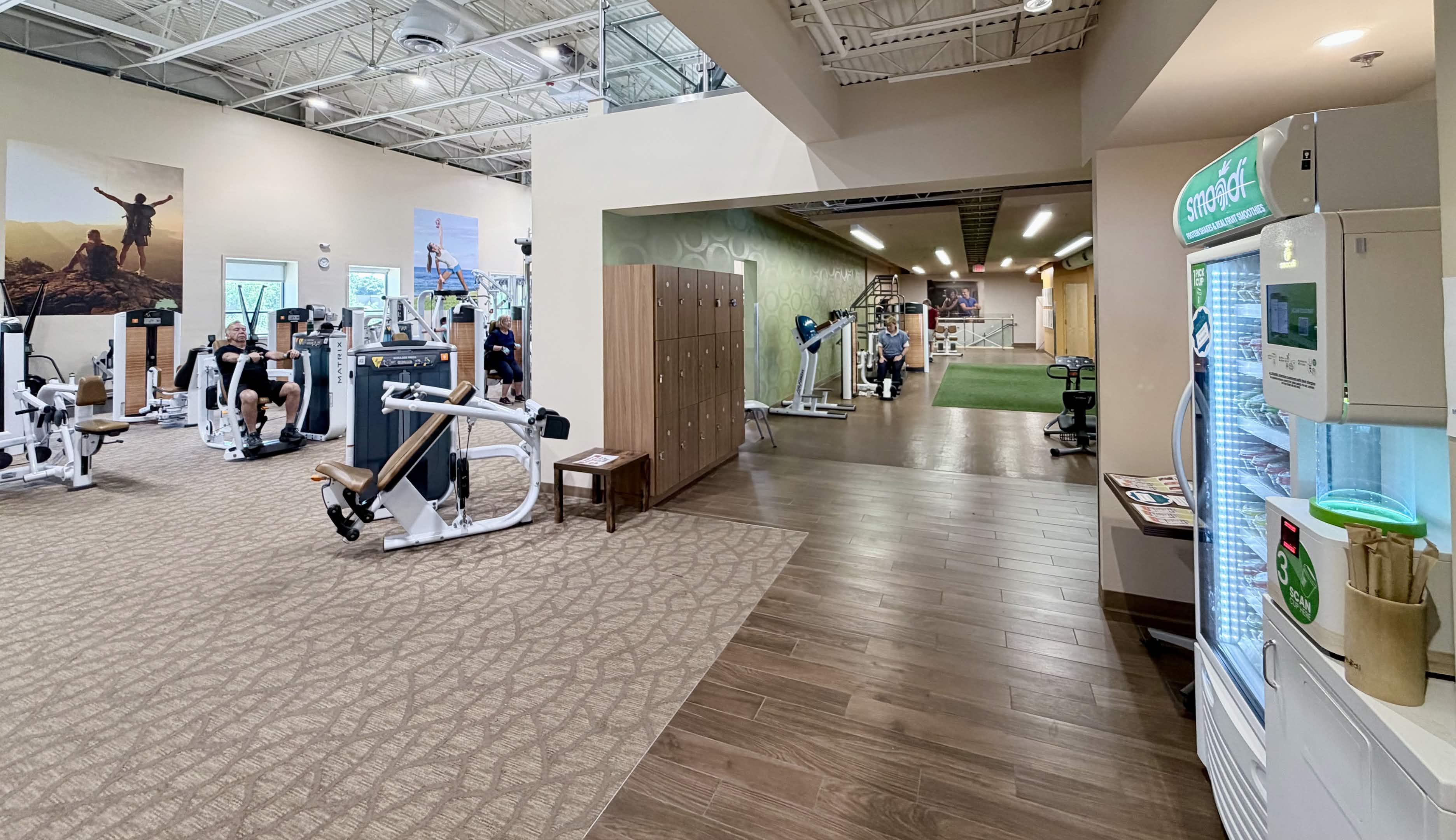
- Fitness center and sports deck: health-conscious passengers who work out onboard seek post-exercise nutrition. A protein-enriched smoothie via the booster bar serves this need immediately after a workout.
- Spa and wellness area: passengers visiting the spa expect wellness-aligned food and beverage options. A whole-fruit smoothie with collagen or functional supplements complements the relaxation experience.
- Buffet and casual dining areas: positioned near the buffet as a healthy alternative to sugary desserts and fountain drinks, especially appealing to families with children.
- Atrium and lobby areas: high-traffic zones where passengers gather before shows, excursions, and dinner. A quick healthy option fills the gap between meals.
Multiple stations deployed across the ship allow the cruise line to offer healthy beverages at every major touchpoint without staffing multiple smoothie bars. Each machine blends a smoothie in under 60 seconds, making it practical for high-traffic locations where passengers expect speed.
What Revenue Opportunity Does This Represent?
Cruise lines generate significant revenue from onboard food and beverage sales beyond the base fare. Specialty dining, premium coffee, cocktails, and health-focused options all contribute to per-passenger revenue. A smoothie station positioned as a wellness amenity (complimentary for suite guests, available for purchase for all passengers) fits the tiered pricing model that modern cruise lines use to monetize onboard experiences.
Smoodi's operational lease starts at $299 per month for a 48-month term, scaling to $499 per month for a 12-month term. The purchase option is $14,999. For a cruise line deploying stations across multiple ships, the predictable monthly cost simplifies budgeting across the fleet. IQF fruit cups are distributed through Dot Foods, and the standardized provisioning process integrates with existing ship supply chain management.
The wellness trend in cruising is not a temporary shift. Passengers who book spa packages, fitness classes, and healthy shore excursions represent a growing segment that values their health investment continuing onboard. Providing healthy beverage access throughout the ship signals that the cruise line understands and supports this lifestyle, reinforcing the brand positioning that attracts these high-value passengers.
What Does Deployment Look Like for Cruise Operators?
Cruise ship deployment follows a phased approach similar to land-based multi-site operations. A single station on the pool deck or fitness center level serves as the pilot, generating data on passenger uptake, peak usage times, and revenue per passenger per day. Based on pilot results, the line can expand to additional locations on the same ship and then across the fleet.
Installation requires a standard 120 VAC outlet, water connection, sanitizer inlet, and drain. Most modern cruise ships have utility connections available in the service corridors behind bar areas, fitness centers, and spa facilities. The compact footprint allows placement without structural modification to the ship's layout.
Smoodi operates in more than 300 locations across the United States, with over 2 million smoothies served. The company was founded at Harvard Innovation Labs. No syrups, concentrates, or artificial ingredients are used in any product. The booster bar offers protein powder, collagen, and functional supplements for passengers seeking customized nutrition.
For cruise line F&B directors and onboard operations managers interested in adding a healthy, self-service beverage station to their fleet, visit getsmoodi.com/get-started to request a maritime deployment assessment.
Ready to bring Smoodi to your location?
Join hundreds of operators delivering fresh, automated smoothies with zero labor.
Get Started