How Can You Launch a Campus Smoothie Program?
University dining directors plan fall menus during summer. Here is a practical guide to launching a campus smoothie program in time for back-to-school, from procurement timeline to installation and supply setup.
University dining directors make their fall equipment and menu decisions during the summer months. By the time students arrive in August or September, the menus are set, the equipment is installed, and the supply chain is running. For dining services teams considering a smoothie program, the summer planning window is the moment that determines whether students find a smoothie station on move-in day or hear about one that is coming next semester.
Fall launch timing matters for a practical reason: the first weeks of the academic year represent the highest foot traffic, the freshest student budgets, and the strongest curiosity about new dining options. A smoothie station that is operational on day one captures that initial wave. One that arrives mid-semester competes against established habits and reduced campus energy.
Why Fall Is the Best Time to Launch
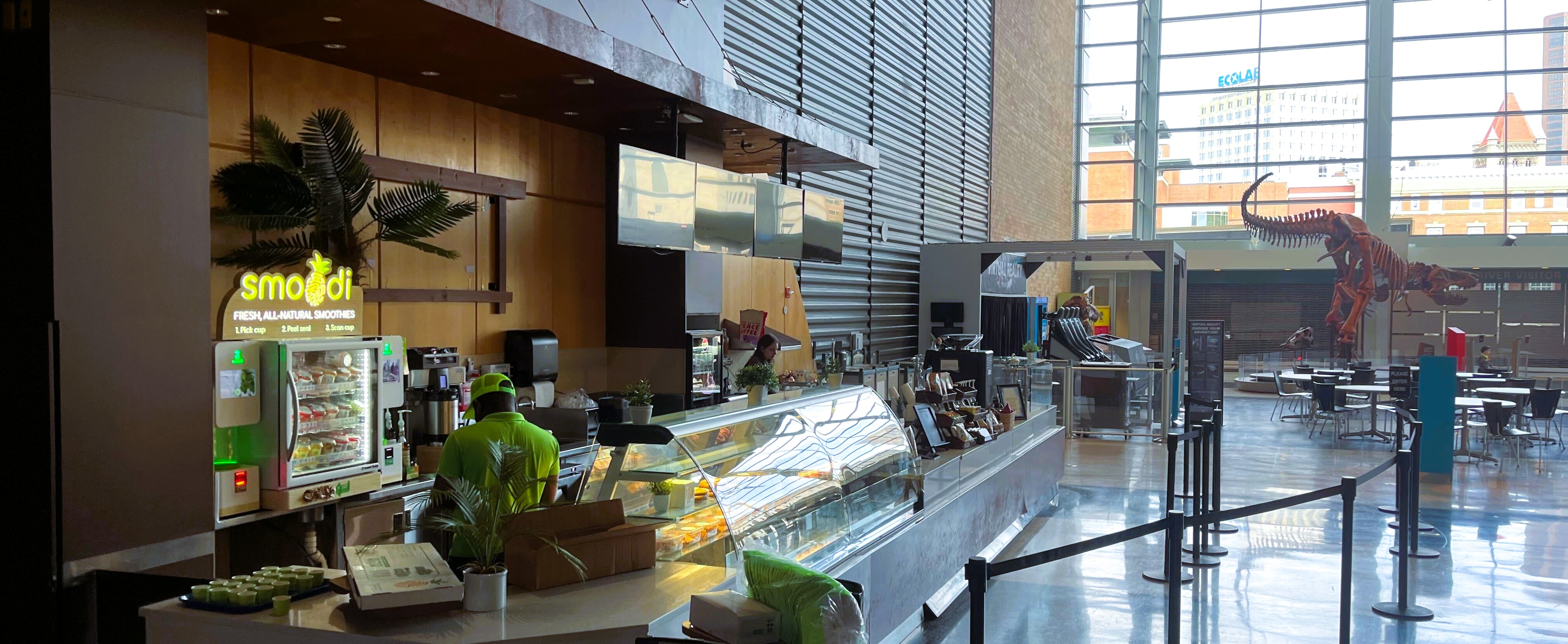
Campus dining programs that launch with the academic year benefit from several overlapping advantages. First-year students are forming their dining habits from scratch. They have no established routine and are actively exploring what the campus offers. A smoothie station positioned in a high-traffic dining hall, student center, or residence hall lobby becomes part of the default experience rather than an addition to it.
Fall semesters also coincide with the start of new institutional budgets. Dining services directors who secured approval during spring planning have fresh budget allocation to deploy. Approval timelines in higher education can stretch weeks or months, so directors who begin the procurement conversation in June or July position themselves to have equipment installed before August orientation.
According to the National Restaurant Association, 87 percent of students say on-campus dining is the primary way they connect and build community. A smoothie station in a social space (a student union, recreation center, or dining commons) becomes part of the campus social fabric, not just a food option.
What Students Want in 2026
Campus dining trends in 2026 reflect broader consumer shifts toward health-forward, convenient, and customizable food. The patterns that dining directors are responding to include the following.
- Grab-and-go formats: Students want food they can take between classes, not food that requires sitting in a dining hall for 30 minutes. Self-service stations that dispense a finished product in under a minute fit this pattern.
- Health and wellness: Functional nutrition (protein, vitamins, energy) is a priority for students who grew up with wellness culture. Smoothies with protein boosters and whole-fruit ingredients align directly.
- Customization: Students expect to personalize their food. A smoothie station with multiple flavor options and a booster bar (protein powder, collagen, functional supplements) offers customization without the operational complexity of a build-your-own salad bar.
- Sustainability: Students increasingly evaluate dining programs on environmental impact. Pre-portioned, sealed fruit cups with up to two years of shelf life produce near-zero food waste compared to fresh-fruit programs that generate 20 to 40 percent spoilage.
"Campus dining is continuously evolving and as operators we have a rising bar to meet the needs of our guests. We've been able to provide a quality smoothie experience while leaning into a labor-saving technology."
— Dustin Peterson, Director of Retail Operations, Rochester Institute of Technology
The Summer Planning Timeline
For dining directors reading this during the summer planning cycle, here is a practical timeline for getting a smoothie station operational by the first week of classes.
June to July: Evaluate and Approve
Request a site assessment and pricing overview. Identify the best placement location based on foot traffic, available utilities (standard electrical outlet, push-to-connect water and drain fittings), and visibility to students. If your institution requires committee approval or competitive bidding, initiate that process early. The operational lease (starting at $299 per month) or purchase option ($14,999) should be presented alongside projected revenue based on your campus population and meal plan participation.
July to August: Install and Supply Setup
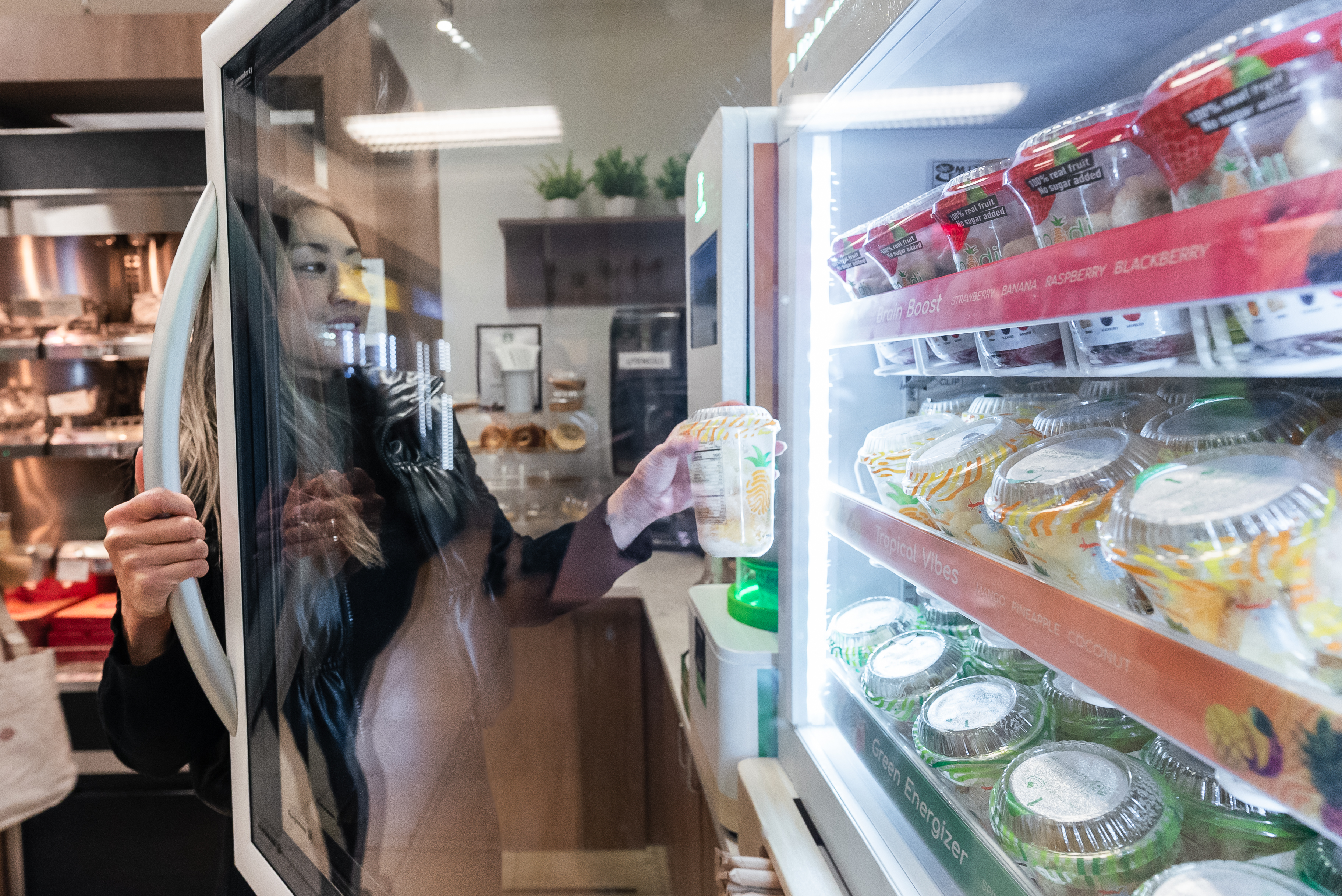
Installation typically takes a single day with a licensed plumber. The machine requires approximately 40 inches of floor space, a 120 VAC / 7A electrical outlet, and push-to-connect water, sanitizer, and drain connections. While the machine is being installed, coordinate your initial fruit cup order through your foodservice distributor. Smoodi's IQF fruit cups are distributed through Dot Foods, the largest food redistribution company in North America. If your campus already works with a Dot Foods-connected distributor, adding Smoodi cups to your existing order is straightforward.
August: Orientation Week Launch
Position the launch during orientation week when foot traffic is highest and students are most receptive to new options. Consider placing the machine in a visible, high-traffic location where students naturally congregate (dining commons, student union, recreation center lobby). The self-service format means no additional staff is needed for the launch. Students walk up, insert a fruit cup, press a button, and receive a fresh smoothie in under 60 seconds.
Placement Strategy: Where on Campus
The most effective placement depends on your campus layout and dining program structure. Based on deployments across more than 300 locations (including university campuses), high-performing locations share common characteristics: heavy foot traffic, proximity to where students already stop or gather, and visibility from main corridors or entrances.
- Main dining hall or food court: The highest-volume option. Position the machine alongside other grab-and-go stations near the entrance or exit.
- Student union or commons: A social hub where students gather between classes. A smoothie station here becomes part of the campus social routine.
- Recreation center or gym lobby: Post-workout smoothies are a natural fit. Students leaving the fitness center are the most motivated smoothie buyers on campus.
- Residence hall lobby: For campuses with residential dining, a machine in a residence hall creates a convenience factor that drives repeat use.
- Library or academic building: Late-night study sessions drive demand for energy and sustenance. A smoothie station in an academic building captures traffic that the dining hall misses after hours.
For high-traffic campuses, multiple machines can be installed side by side in the same footprint, blending simultaneously to handle peak demand without lines.
Supply Chain Setup: Ordering Through Dot Foods
A smoothie program requires two things on an ongoing basis: the machine and the fruit cups. The machine is maintained by Smoodi under the operational lease model. The fruit cups are distributed through Dot Foods, the largest food redistribution company in North America, serving all 50 states. For university dining services that already order through Dot Foods-connected distributors (which includes the majority of institutional foodservice operations), adding Smoodi cups to existing orders requires no new vendor relationship.
The IQF (individually quick frozen) fruit cups have a shelf life of up to two years. This long shelf life simplifies inventory planning for dining services teams that operate on academic calendars with predictable high and low periods. Cups ordered before orientation week can be stored in standard commercial freezers and drawn down throughout the semester. There is no risk of spoilage, no need for daily fresh produce deliveries, and no waste from unsold perishable ingredients on slow days or during campus breaks.
The Business Case for Dining Directors
University dining services are evaluated on student satisfaction, operational efficiency, and financial performance. A smoothie program contributes to all three. On the satisfaction front, smoothies are the number one most in-demand cuisine on college campuses according to research data. On the efficiency front, a zero-labor, self-cleaning machine eliminates the staffing and cleanup burden of a traditional smoothie bar. On the financial front, the operational lease model eliminates upfront capital expenditure, and operators pay lease costs plus fruit cup costs while keeping the margin on every smoothie sold.
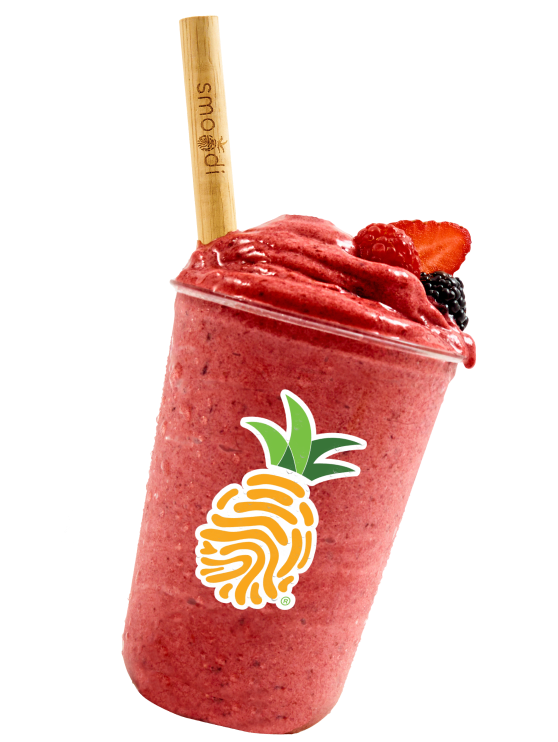
Smoodi's IQF whole-fruit cups contain no syrups, concentrates, added sugars, or artificial ingredients. Each cup is blended with water only. The cups have a shelf life of up to two years, eliminating the spoilage and waste that plague fresh-fruit programs. The machine self-cleans between every use, requiring no staff intervention for sanitation.
"Landing with smoodi was partly because it was a smooth and barrier free process where we really felt confident in the product."
— Raphaella Prange, VP of Student Life, Maryville University
Getting Started This Summer
Smoodi operates in more than 300 locations across the United States and has served more than two million smoothies. The operational lease starts at $299 per month (48-month term), with options at $349, $399, and $499 per month for shorter terms. Smoodi retains ownership and provides full service on leased machines. A purchase option is available starting at $14,999. Smoodi was founded at Harvard Innovation Labs and distributes its fruit cups through Dot Foods.
To request a university dining consultation and plan your fall launch, visit getsmoodi.com/get-started. To estimate the revenue potential for your campus, visit getsmoodi.com/roi.
Ready to bring Smoodi to your location?
Join hundreds of operators delivering fresh, automated smoothies with zero labor.
Get Started