Protein Smoothies Lead Functional Beverage Growth
The functional beverage market is growing at nearly 8 percent annually, with protein smoothies leading the category. Automated smoothie stations help foodservice operators capture this demand without staffing a juice bar.
The global smoothie market reached an estimated $19.8 billion in 2025 and is projected to grow to $21.3 billion in 2026, reflecting a compound annual growth rate of 7.7 percent according to Fortune Business Insights. Within this broader market, protein-enriched smoothies and functional beverages are the fastest-growing segment. The protein beverage market alone is projected to reach $10.7 billion by 2034, driven by consumer demand for convenient, high-protein nutrition that fits into busy daily routines.
For foodservice operators in universities, hospitals, corporate offices, gyms, and retail environments, this growth represents a clear revenue opportunity. But capturing functional beverage demand has traditionally required a staffed juice bar with blenders, ingredient inventory, trained employees, and significant waste management. Automated smoothie stations offer an alternative path: the same end product, delivered consistently, with zero labor and minimal waste.
The Functional Beverage Market in 2026
Functional beverages are drinks that provide specific health benefits beyond basic hydration or caloric energy. The category includes protein shakes, vitamin-enriched waters, probiotic drinks, adaptogen-infused teas, and smoothies with added supplements such as collagen, fiber, or electrolytes. The category has grown steadily over the past decade, but the pace of growth has accelerated since 2023 as mainstream consumers (not just fitness enthusiasts) have adopted functional beverages as part of their daily nutrition.
Several forces are driving this acceleration. The rise of high-protein diets across demographic groups (not just bodybuilders) has made protein content a primary purchase criterion for beverages. Consumer awareness of gut health, immune support, and cognitive performance has expanded the functional claims that buyers look for on labels. And the growing availability of convenient formats (ready-to-drink bottles, single-serve packets, and automated dispensing) has removed the friction that once limited functional beverage consumption to dedicated health food stores.
In foodservice settings, the demand is especially visible. University dining halls report that protein-rich and functional beverage options are among the top requested menu additions by students. Corporate cafeterias see steady demand for smoothies and protein drinks during mid-morning and mid-afternoon hours. Hospital staff seek high-protein, quick-to-consume options that sustain energy during long shifts.
Why Protein Smoothies Are Leading the Category
Among all functional beverage formats, protein smoothies occupy a unique position. They combine the nutritional density of a protein supplement with the palatability and perceived freshness of a fruit-based drink. Unlike a protein bar or a pre-mixed shake, a freshly blended protein smoothie feels like a meal rather than a supplement. This perception drives repeat consumption and makes protein smoothies a daily habit rather than an occasional purchase.
The nutritional profile supports the perception. A smoothie made from whole frozen fruit provides vitamins, antioxidants, and dietary fiber alongside the added protein. This combination of macronutrients and micronutrients in a single serving is difficult to replicate with other convenient formats. It also aligns with the clean-label movement: consumers increasingly prefer products with short, recognizable ingredient lists over those with synthetic additives, artificial flavors, or long lists of stabilizers and emulsifiers.
Timing also matters. The post-workout nutrition window (generally within 30 minutes to two hours after exercise) is well established in sports nutrition research as the optimal period for protein and carbohydrate intake to support muscle recovery and glycogen replenishment. Fitness centers, university recreation facilities, and sports venues see peak smoothie demand immediately following group classes, weight room sessions, and team practices.
What Foodservice Operators Need to Know
For operators considering a functional beverage program, the business case is straightforward. Consumers are willing to pay $6.00 to $10.00 for a freshly made protein smoothie, and demand is growing across virtually every venue type. The challenge is delivering the product efficiently.
A traditional staffed smoothie or juice bar requires dedicated employees, commercial blenders, fresh and frozen ingredient inventory, prep space, and daily cleaning protocols. Staff turnover in foodservice (approximately 73 percent annually in the United States) means constant recruiting and training. Ingredient waste from spoiled produce and unused inventory adds cost. And labor availability is a persistent constraint, particularly during early-morning and late-evening hours when functional beverage demand from gym-goers and shift workers is highest.
These operational realities explain why many facilities that recognize the demand for protein smoothies have been slow to add the category. The economics of a staffed program often do not work for venues with moderate smoothie volume (20 to 60 servings per day), even though consumer demand clearly exists.
How Automated Smoothie Stations Capture the Trend
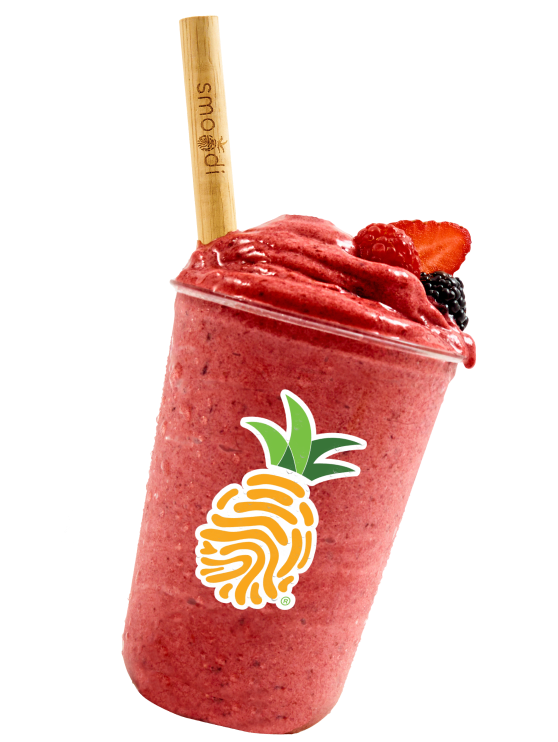
Automated smoothie stations remove the operational barriers that prevent most facilities from offering a functional beverage program. Smoodi's machine blends a fresh smoothie from pre-portioned IQF (individually quick frozen) fruit cups and water in under 60 seconds, self-cleans between every use, and requires no dedicated staff at any point in the process. The machine requires approximately 40 inches of floor space and connects to standard water and drain fittings (push-to-connect) and a 120 VAC / 7A electrical outlet.
Smoodi also offers a booster bar alongside the machine, where customers can add protein powder, collagen, and other functional supplements to their smoothie. This add-on model lets operators capture the functional beverage premium (customers willingly pay more for a protein-boosted smoothie) without the inventory complexity of stocking dozens of individual supplement ingredients.
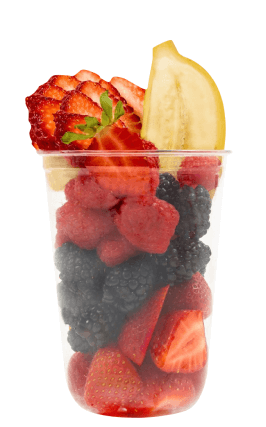
The fruit cups contain only whole IQF fruit with no syrups, concentrates, added sugars, or artificial ingredients. They have a shelf life of up to two years and are distributed through Dot Foods, one of the largest food redistribution networks in the United States. This supply chain model eliminates the spoilage risk that makes fresh-fruit smoothie programs expensive and unreliable.
"As an office leader, I'm always looking for ways to support my team's health and productivity. smoodi's variety of healthy options are a game-changer."
— Karen Hood, Manager, ZS
Positioning Your Facility for Functional Beverage Growth
The functional beverage trend is not a passing fad. Market projections from multiple research firms show sustained growth through 2030 and beyond, driven by demographic shifts (younger consumers who grew up with protein shakes and smoothies are entering their peak spending years) and institutional adoption (employer wellness programs, campus nutrition initiatives, and hospital dietary programs all increasingly include functional beverages in their offerings).
Facilities that add a protein smoothie option now position themselves to capture this growth from day one rather than retrofitting later. Smoodi's operational lease starts at $299 per month, with Smoodi retaining ownership and providing full service and maintenance. A purchase option is also available starting at $14,999. Smoodi operates in more than 300 locations across the United States and has served more than two million smoothies, with deployments across universities, hospitals, corporate offices, gyms, airports, and convenience stores.
To explore how an automated protein smoothie station fits your facility and captures functional beverage demand, visit getsmoodi.com/get-started. To estimate the revenue potential for your location, visit getsmoodi.com/roi.
Ready to bring Smoodi to your location?
Join hundreds of operators delivering fresh, automated smoothies with zero labor.
Get Started