How Are Micro-Markets Reshaping Workplace Food?
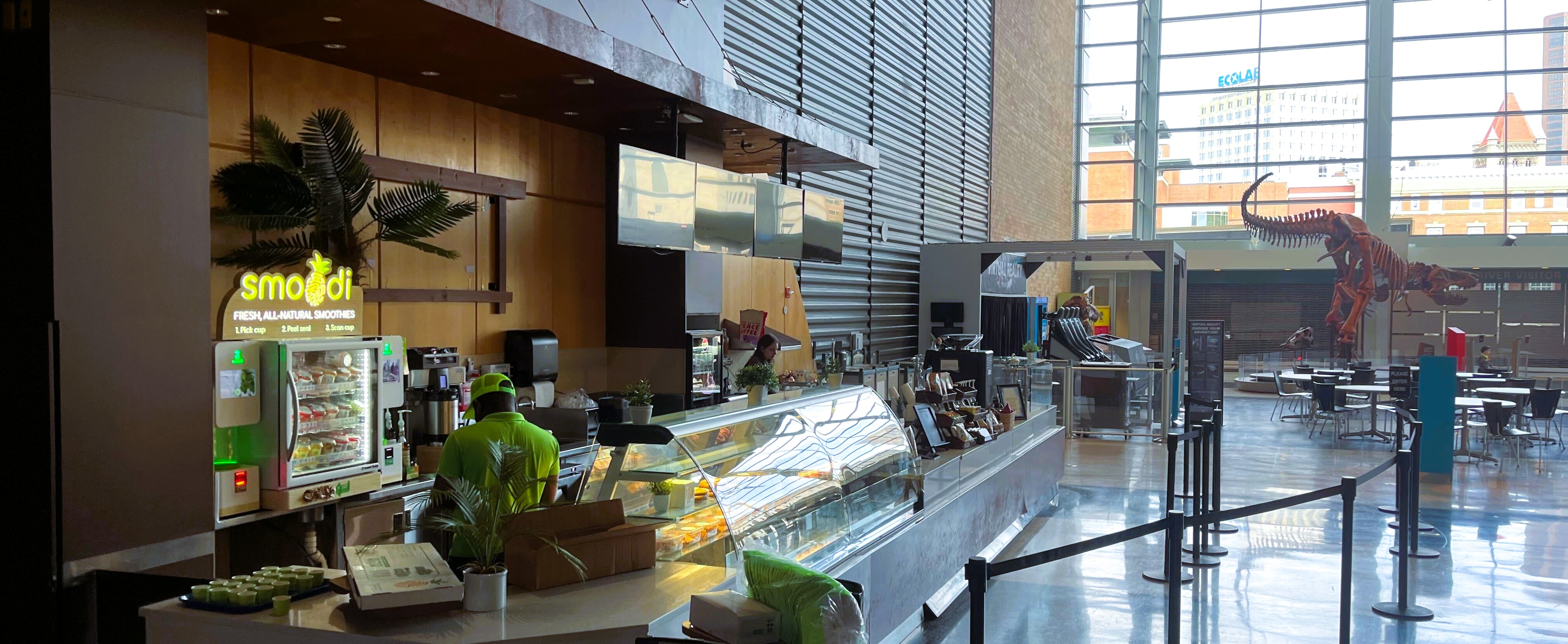
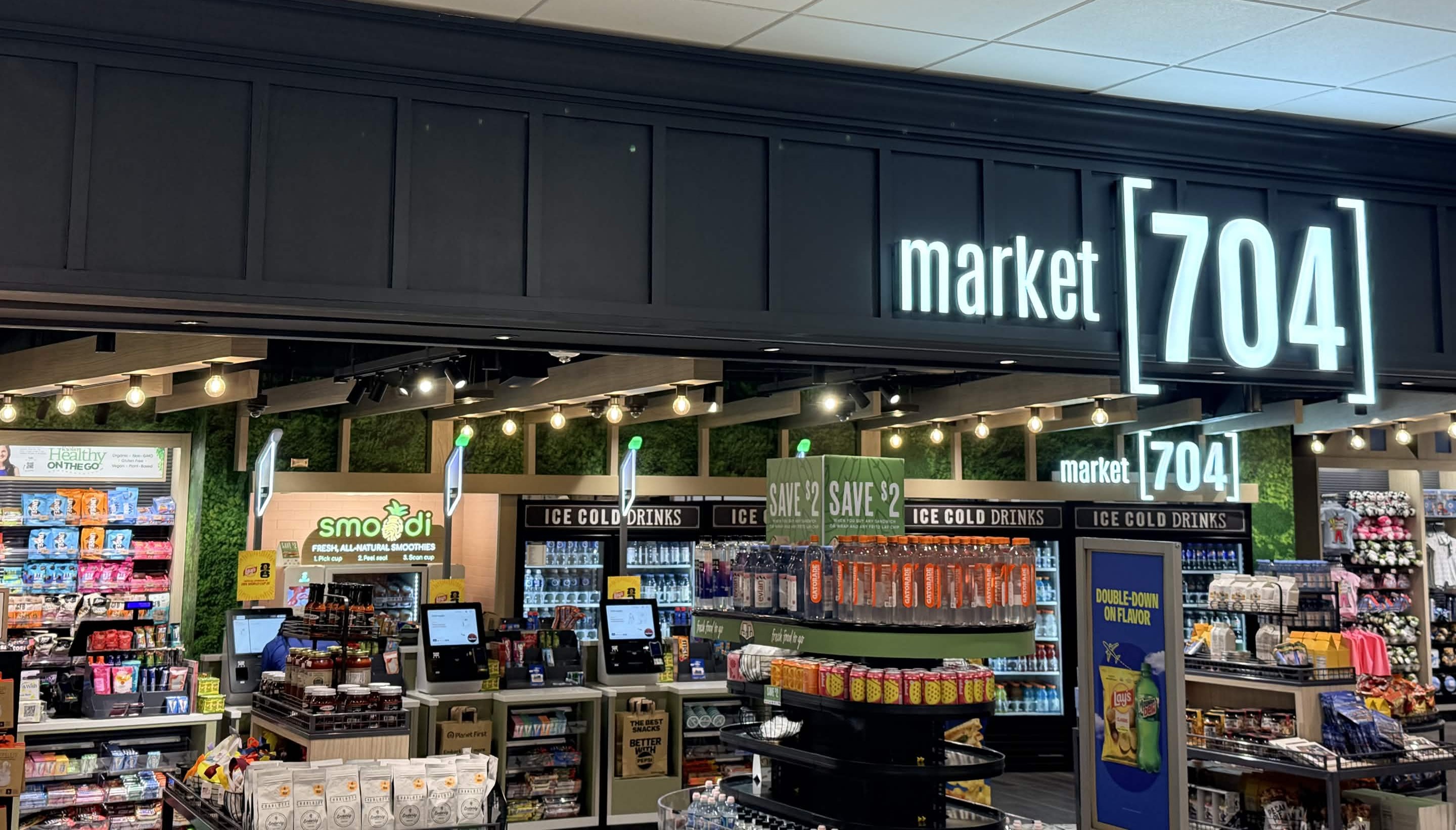
The North America micro-market industry is valued at $14.7 billion in 2026. As corporate campuses invest in curated food experiences, automated smoothie stations complement the self-service model.
The traditional office vending machine is losing ground. In its place, a new format is reshaping how companies feed their employees: the micro-market. These unattended, self-checkout food stations offer fresh meals, snacks, beverages, and grab-and-go options in an open-shelf format that feels more like a small convenience store than a row of coin-operated machines. For facilities managers and corporate real estate teams, micro-markets represent a higher-quality food amenity that requires minimal staffing while delivering measurable improvements in employee satisfaction.
The North America micro-market industry is valued at approximately $14.7 billion in 2026 and is projected to nearly double to $29.0 billion by 2033, according to Persistence Market Research. As this format matures, operators are looking for ways to differentiate their micro-market offerings with fresh, health-forward options. Automated smoothie stations fit naturally into this model.
Why Micro-Markets Are Growing
The growth of micro-markets is driven by a shift in what employees expect from their workplace food environment. According to industry surveys, 57 percent of office workers prefer micro-markets over traditional vending machines, citing better selection, fresher products, and a more pleasant experience. For employers, micro-markets deliver higher per-transaction revenue than vending machines and create a visible amenity that supports recruitment and retention efforts.
The economics work for operators too. Micro-markets require less labor than a staffed cafeteria (most operate with weekly restocking visits and remote inventory monitoring) while generating higher average ticket sizes than vending. The unattended, self-service format means the market can operate 24 hours a day without scheduling staff for evenings or weekends, which is particularly valuable for facilities with shift workers, such as hospitals, manufacturing plants, and data centers.
Health and wellness options are increasingly central to the micro-market proposition. Sixty-eight percent of micro-markets now include wellness-focused options such as fresh salads, protein snacks, and functional beverages. Companies that deploy smart micro-markets with curated healthy selections report employee satisfaction increases of up to 22 percent and retention improvements of 15 to 20 percent, according to industry data from Elevated Services.
Where Smoothie Stations Fit In
Automated smoothie stations complement the micro-market model in several ways. First, they add a fresh, made-to-order element to an environment that is otherwise stocked with pre-packaged products. A smoothie blended from whole frozen fruit in under 60 seconds provides a perception of freshness and customization that pre-bottled smoothies cannot match. Second, the self-service, zero-labor operation aligns perfectly with the micro-market's unattended format. No barista or juice bar staff is needed.
Third, smoothie stations address a gap that many micro-markets struggle to fill: healthy beverages. Pre-bottled smoothies and juices often contain added sugars, preservatives, and concentrates that health-conscious employees learn to avoid once they read the labels. An automated station that blends IQF whole fruit with water and nothing else provides a clean-label alternative that micro-market operators can promote as a genuine health offering.
Smoodi's machine requires approximately 40 inches of floor space, making it compact enough to fit alongside existing micro-market refrigerators, snack shelves, and coffee stations without requiring a separate buildout. The machine connects to standard water and electrical infrastructure using push-to-connect fittings and a 120 VAC / 7A outlet.
"smoodi is hands down the number one perk at our headquarters. Fresh, healthy, and zero effort on our end."
— Katherine Berman, Workplace Experience Manager, Toast
The Business Case for Micro-Market Operators
For micro-market operators and vending management companies, adding a smoothie station to existing accounts creates a new revenue stream with strong unit economics. Smoothies typically sell for $6.00 to $9.00 per serving in workplace settings, with cup costs of approximately $2.00 to $3.00 wholesale. The margin profile compares favorably to most packaged beverages in a micro-market, and the daily repeat purchase rate for smoothies (driven by habitual morning and post-workout consumption) supports consistent volume.
Food and beverages account for approximately 72 percent of micro-market revenue, according to Persistence Market Research. Within that category, fresh and functional beverages are the fastest-growing segment. Adding a smoothie station positions the micro-market as a comprehensive food destination rather than a snack stop, which in turn drives higher overall foot traffic and basket size.
Smoodi's fruit cups are distributed through Dot Foods, the largest food redistribution company in North America. Micro-market operators who already work with Dot Foods-connected distributors can add cup supply to their existing logistics without a separate vendor relationship. The cups have a shelf life of up to two years, eliminating the spoilage risk that makes fresh-ingredient programs impractical for unattended environments.
What Facilities Managers Should Consider
For corporate facilities teams evaluating whether a smoothie station belongs in their micro-market or breakroom, the key considerations are space, infrastructure, and employee demand.
- Space: Smoodi requires approximately 40 inches of floor space. Most micro-market areas and breakrooms can accommodate this without removing existing fixtures.
- Infrastructure: The machine needs a 120 VAC / 7A outlet, a 3/8 inch push-to-connect water inlet (50 to 80 PSI, filtered and softened), a 1/4 inch push-to-connect sanitizer inlet, and a 1 inch FNPT drain within 10 feet.
- Employee demand: If the office already has a micro-market, vending, or coffee service, adding a smoothie station introduces a health-forward option that differentiates the amenity mix. Survey data consistently shows that employees rank healthy food access among their top workplace priorities.
- Cost: Smoodi's operational lease starts at $299 per month. Smoodi retains ownership and provides full service. A purchase option starts at $14,999.
Smoodi operates in more than 300 locations across the United States and has served more than two million smoothies, with deployments in corporate offices, universities, hospitals, gyms, airports, and convenience stores. Founded at Harvard Innovation Labs, Smoodi's machine blends a fresh smoothie in under 60 seconds and self-cleans between every use.
To request a corporate site assessment, visit getsmoodi.com/get-started. To estimate the revenue potential for your workplace, visit getsmoodi.com/roi.
Ready to bring Smoodi to your location?
Join hundreds of operators delivering fresh, automated smoothies with zero labor.
Get Started