How Smoothies Help Close the American Fruit Gap
Eighty percent of Americans fall short of recommended fruit intake. The 2025-2030 Dietary Guidelines explicitly recommend smoothies made with frozen fruit as a practical solution.
The United States has a persistent fruit consumption problem. According to USDA Economic Research Service data published in late 2024, approximately 80 percent of Americans consume less fruit than the amount recommended by federal dietary guidelines. Per-capita fruit availability has fallen 14 percent between 2003 and 2021, and CDC data shows that only 12.3 percent of adults meet daily fruit intake recommendations. Despite decades of public health messaging about the importance of eating more fruits and vegetables, actual consumption continues to decline.
The 2025-2030 Dietary Guidelines for Americans, released in January 2026, address this gap directly. Among their practical recommendations for increasing fruit intake, the guidelines explicitly suggest "a smoothie made with frozen fruit" as a convenient, nutritious way to incorporate more fruit into the daily diet. For institutions that serve large populations (universities, hospitals, corporate cafeterias, and fitness centers), this recommendation creates both an opportunity and a responsibility to make fruit-rich options more accessible.
The Scale of America's Fruit Consumption Gap
Federal nutrition data paints a clear picture. The average American adult consumes roughly one serving of fruit per day, well below the recommended 1.5 to 2 cups daily for most adults. Children and adolescents fare slightly better but still fall short of age-appropriate recommendations. The gap is not limited to any single demographic group: it spans income levels, geographic regions, and age brackets, though it is most pronounced among young adults aged 18 to 30 and adults in lower-income households.
Several factors contribute to this gap. Fresh fruit is perishable, relatively expensive compared to processed snacks, and requires preparation time (washing, peeling, cutting). In institutional foodservice settings such as hospital cafeterias, campus dining halls, and office breakrooms, fresh fruit programs face additional challenges: storage limitations, spoilage rates of 20 to 40 percent on whole produce, and inconsistent quality depending on season and supply chain timing.
The result is that the populations most in need of better nutrition (college students managing academic stress, healthcare workers on 12-hour shifts, office employees with limited lunch breaks) are often the least well-served by traditional fresh fruit programs.
What the 2025-2030 Dietary Guidelines Recommend
The 2025-2030 Dietary Guidelines for Americans represent the federal government's most comprehensive nutrition guidance, developed jointly by the USDA and the Department of Health and Human Services. The guidelines are updated every five years and serve as the foundation for federal nutrition programs, school lunch standards, and institutional dietary planning.
Among the practical strategies for increasing fruit intake, the 2025-2030 guidelines recommend smoothies made with frozen fruit as a breakfast option and between-meal snack. This recommendation reflects growing scientific consensus that frozen fruit is nutritionally equivalent to (and in some cases superior to) fresh fruit that has been stored and transported over several days. The guidelines emphasize whole fruit over fruit juice, and smoothies made from whole frozen fruit qualify as a whole-fruit serving.
For dietitians, nutrition directors, and foodservice managers at institutions, this recommendation provides a clear mandate: making smoothies from frozen fruit available to their populations is a federally endorsed strategy for improving nutritional outcomes.
Why Frozen Fruit Delivers Strong Nutrition
IQF (individually quick frozen) fruit is harvested at peak ripeness and flash-frozen within hours. This process locks in the vitamin content, antioxidant activity, and fiber profile at the point of harvest. Research has shown that IQF fruit can retain up to 51 percent more vitamin C than fresh fruit that has spent 48 hours in transit and retail display. The nutritional advantage of frozen fruit increases as fresh fruit ages on store shelves and in institutional walk-in coolers.
Beyond nutritional retention, frozen fruit offers practical advantages for foodservice operations. It requires no washing, peeling, or cutting. It produces no prep waste (stems, pits, rinds). Its shelf life eliminates the spoilage risk that makes fresh fruit programs expensive to maintain. And because frozen fruit is available year-round regardless of growing season, programs that rely on it can maintain consistent menus without seasonal substitutions.
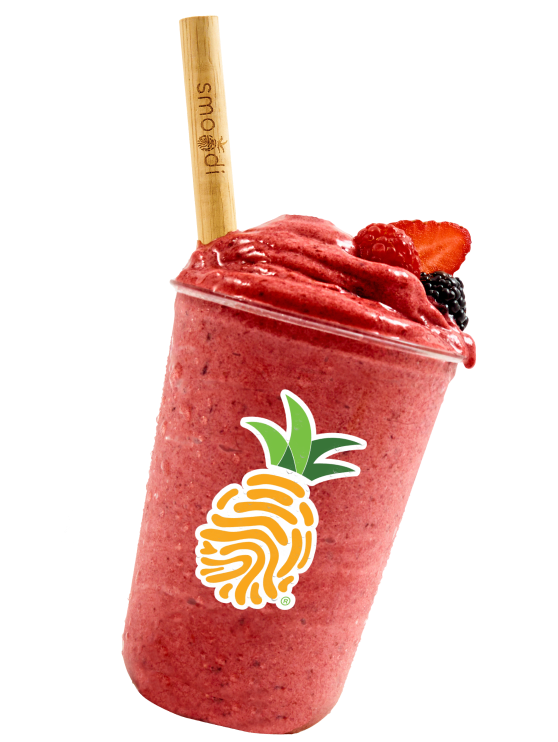
Smoodi's fruit cups are IQF whole fruit with no syrups, concentrates, added sugars, or artificial ingredients. Each cup has a shelf life of up to two years and is distributed through Dot Foods, one of the largest food redistribution networks in the United States. When blended with water in the Smoodi machine, the result is a whole-fruit smoothie with the same nutritional profile as blending fresh fruit at home, but delivered consistently across every serving.
How Institutions Can Support Fruit Intake at Scale
For universities, hospitals, corporate offices, and other institutions that serve hundreds or thousands of people daily, the challenge is not awareness. Most people know they should eat more fruit. The challenge is access and convenience. The fruit option needs to be as fast, affordable, and visible as the less nutritious alternatives already available in the cafeteria, breakroom, or vending area.
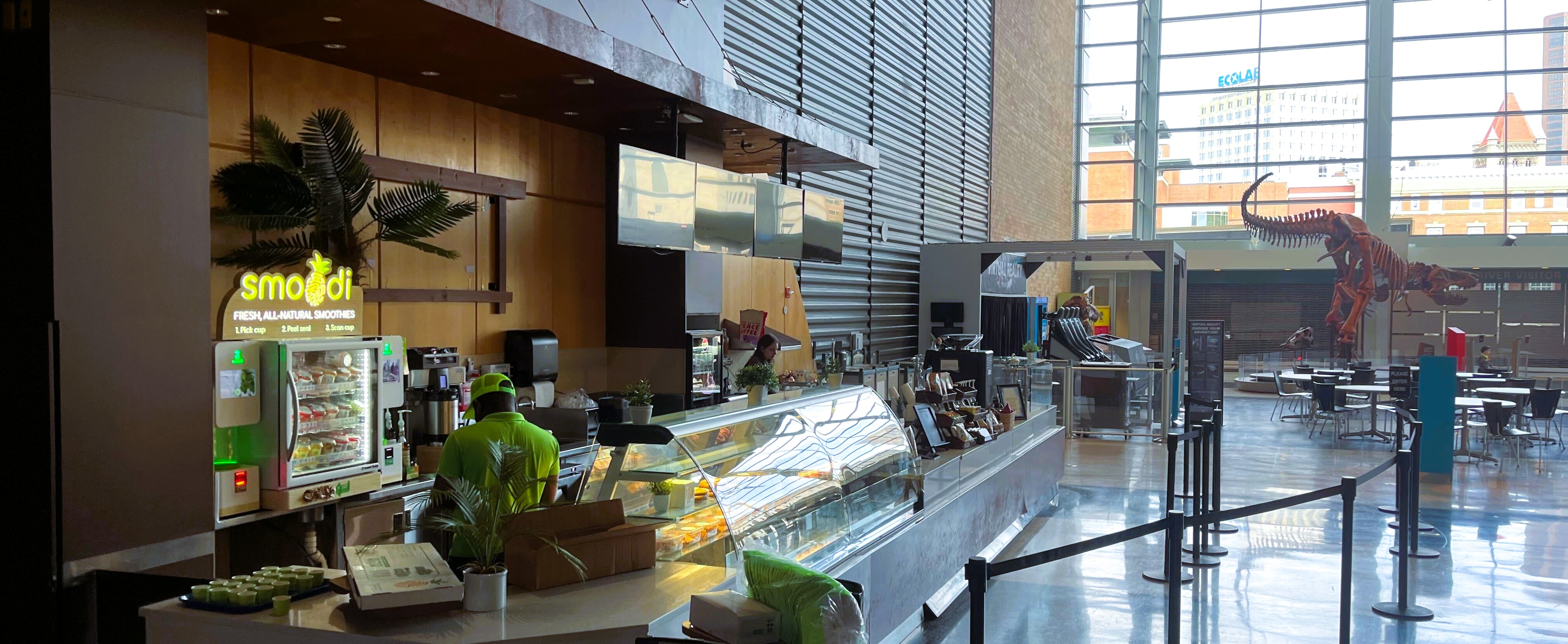
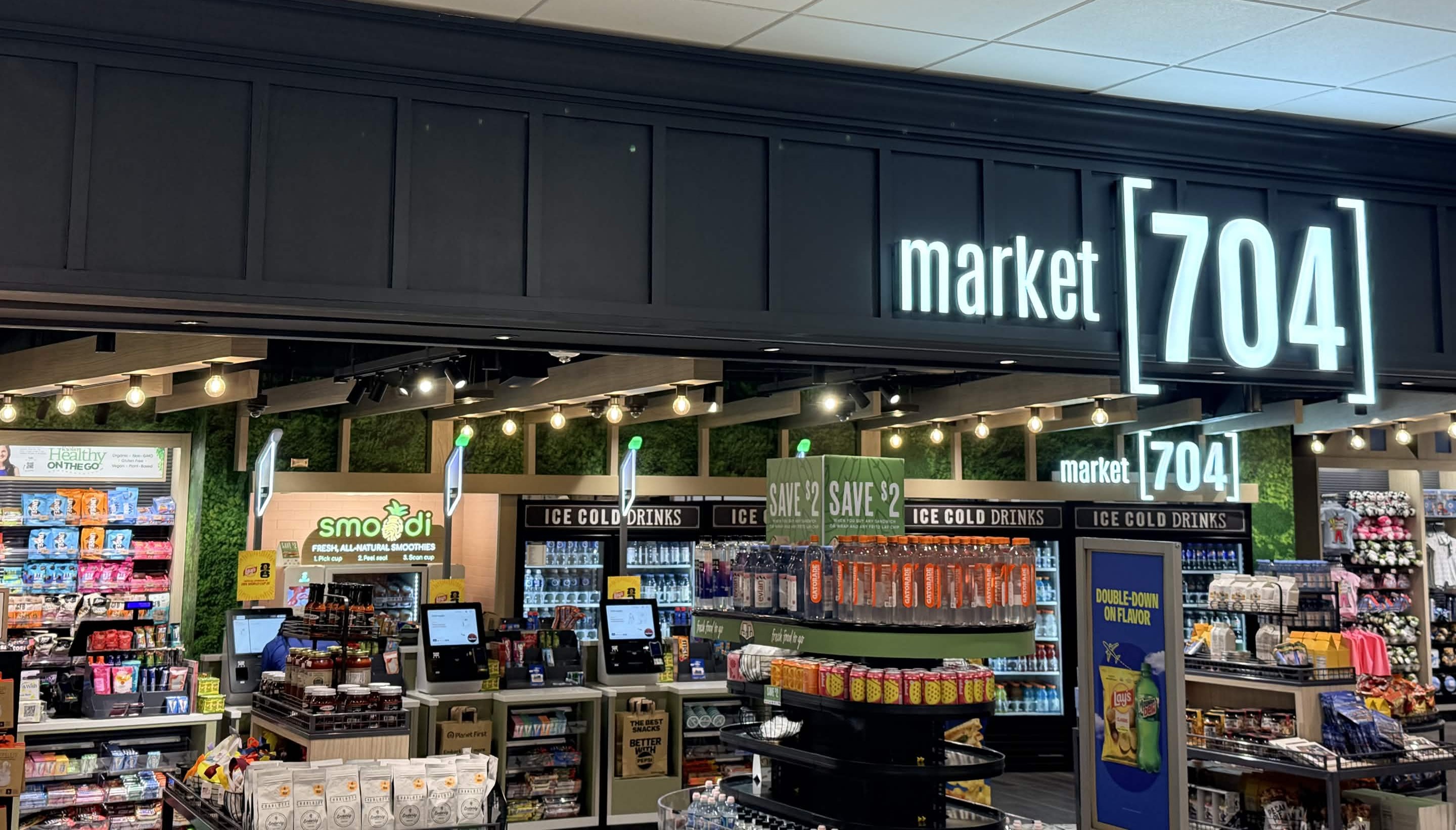
Automated smoothie stations address this directly. Smoodi's machine blends a fresh, whole-fruit smoothie in under 60 seconds with no staff involvement. The machine requires approximately 40 inches of floor space and connects to standard water and drain fittings (push-to-connect) and a 120 VAC / 7A electrical outlet. It can be placed in high-traffic areas where people are already making food choices: dining halls, cafeteria entrances, gym lobbies, office kitchens, and hospital staff lounges.
The operational lease starts at $299 per month, with Smoodi retaining ownership and providing full service. A purchase option is also available starting at $14,999. For institutions that already have federal nutrition mandates or wellness program goals related to fruit and vegetable consumption, an automated smoothie station provides a measurable intervention: each smoothie served represents one or more servings of whole fruit consumed.
"Now we have healthy options available here in the cafeteria, and patients and even doctors are loving this."
— Dr. Nish Patel, Interventional Cardiologist, Baptist Health Miami
Closing the Fruit Gap, One Smoothie at a Time
The data is clear: Americans are not eating enough fruit, and the gap has widened over the past two decades. The 2025-2030 Dietary Guidelines now explicitly recommend frozen-fruit smoothies as a practical solution. For institutions responsible for feeding large populations, automated smoothie stations offer a scalable way to put that recommendation into practice.
Smoodi operates in more than 300 locations across the United States and has served more than two million smoothies. Every one of those smoothies represents whole fruit consumed by someone who might otherwise have reached for a less nutritious option. Founded at Harvard Innovation Labs, Smoodi continues to expand its network of deployments across universities, hospitals, corporate offices, and other venues where better nutrition access makes a measurable difference.
To learn more about how Smoodi's whole-fruit smoothies support nutrition goals at your institution, visit getsmoodi.com/get-started.
Ready to bring Smoodi to your location?
Join hundreds of operators delivering fresh, automated smoothies with zero labor.
Get Started